Fitbit Air offers a smarter solution to AI health chaos
▼ Summary
– Google Health Coach assessed the user as near physical collapse, citing poor sleep, low heart rate variability, and excessive heat exposure.
– The AI coach advised skipping strength workouts and focusing on hydration, avoiding heat, and light walking.
– It also asked the user about perceived calf strain and their emotional response to the assessment.
– The user expressed mixed feelings about the AI’s evaluation.
– The article is a review of the Google Fitbit Air, described as a strong attempt at an AI-compatible health tracker.
The Google Health Coach has already declared me a wreck. My sleep quality is apparently subpar, dragging down my readiness score. My heart rate variability is lagging behind where it should be, signaling insufficient recovery. It warns I’m spending too much time in sweltering conditions, noting that temperatures have climbed past 90 degrees Fahrenheit. The AI coach instructs me to cancel my planned strength training. My top priority, it insists, is hydration, avoiding the heat, and maybe squeezing in a few steps. Then it asks if my calves feel tight and how I’m processing this assessment.
Honestly? I’m conflicted. That’s because, in reality, I’m not on the verge of collapse. I’ve been sleeping fine, working out regularly, and feeling good. The Fitbit Air, Google’s latest wearable, is trying to solve a messy problem: how to make AI-powered health coaching feel helpful rather than alarmist. It’s one of the better attempts at a fitness tracker that integrates AI without overwhelming the user with contradictory or overly dramatic advice.
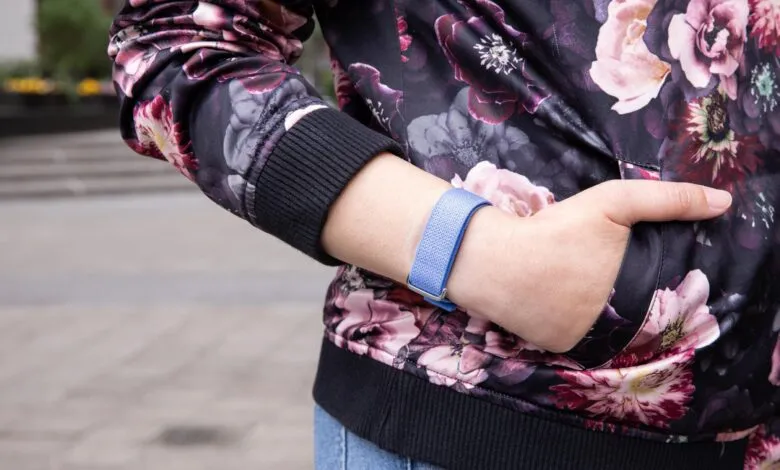
The device itself is sleek and lightweight, designed for all-day wear without the bulk of a smartwatch. Its core strength lies in simplifying health data into actionable insights, not just raw numbers. Instead of bombarding you with jargon, the Fitbit Air uses AI to contextualize metrics like sleep patterns, stress levels, and activity trends. The Google Health Coach, built into the companion app, aims to be more conversational and less prescriptive than earlier iterations. It asks questions, checks in on your mood, and adjusts recommendations based on your feedback.
But the real test is whether this approach actually improves behavior. Early results suggest it does, especially for users who felt overwhelmed by previous wearables. The Fitbit Air doesn’t just tell you you’re stressed; it suggests a breathing exercise or a short walk. It doesn’t scold you for a bad night’s sleep; it offers tips for winding down. This human-centered design makes the AI feel like a partner rather than a nag.
Of course, no device is perfect. The AI occasionally misreads context, as my own experience shows. And privacy concerns around constant health monitoring remain valid. But the Fitbit Air represents a meaningful step forward in making AI health coaching both practical and non-intrusive. For anyone tired of chaotic, contradictory health advice from their devices, this is a smarter way forward.
(Source: The Verge)