Why Y Not? It’s Xserver, Rewritten in Rust
▼ Summary
– yserver is a new, MIT-licensed display server written in Rust, positioned as an alternative to Xorg and Wayland.
– It is not a full Xorg reimplementation, lacks multi-monitor support, and is currently too bare-bones for some users.
– yserver uses Vulkan and works on modern Intel, AMD, Nvidia, and Apple hardware, with Linux as the primary target and FreeBSD as a secondary one.
– It can run desktops like MATE, Cinnamon, and XFCE, plus Compiz, and scores 66.2% on the X.Org Test Suite.
– The project aims to offer competition in the display-server market, potentially serving users who reject Wayland as Xorg declines.
If Wayland doesn’t suit your needs as a display manager, your alternatives are growing thinner. Xorg is barely maintained, and its most famous fork has become more of a political battleground than a technical solution. But Rust developers, true to form, can rarely resist rewriting existing tools in their favorite language. Enter yserver, a fresh MIT-licensed project from [joske] that offers another path forward.
The name “yserver” is intentionally temporary, but the reasoning is charmingly straightforward: Y follows X. Calling it X12 might imply continuity with Xorg’s legacy, but this is a deliberate departure. It’s not a full reimplementation of the sprawling, decades-old Xorg codebase. For now, it lacks multi-monitor support and can’t launch multiple screens, so it may feel too minimal for many users.
Built on Vulkan, yserver requires relatively modern hardware, but it has been tested successfully on Intel, AMD, Nvidia, and Apple chips. The primary target is Linux, though the documentation includes instructions for compiling on FreeBSD. That said, FreeBSD support is clearly secondary, which likely comes as no surprise to FreeBSD users accustomed to such treatment.
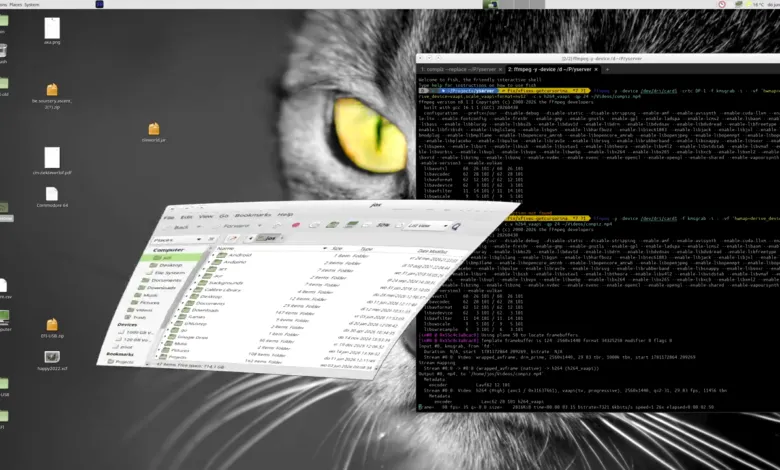
On Linux, a standalone DRM/KMS yserver can run window managers and even full desktop environments. Specifically, MATE, Cinnamon, and XFCE work well, as they haven’t fully embraced Wayland. Compiz also runs, so you can still enjoy those spinning cubes and wobbly windows if nostalgia strikes. Alternatively, yserver can operate via Xwayland or even Xorg. The project has been tested against the X. Org X Test Suite (xts5), currently scoring 66.2%. That’s a respectable figure, especially since the project explicitly doesn’t aim to replicate every feature of Xorg.
One feature that would have been interesting is support for Asterinas, a Rust-based Linux-compatible kernel. However, if that project achieves full Linux compatibility, the omission may become irrelevant. Even if you’re not a Rust enthusiast, there’s reason to welcome more competition in the display manager space. After all, Wayland may never fully satisfy every X11 user. If Xorg is truly heading toward a slow decline, yserver could fill the gap for those who refuse to switch.
(Source: Hackaday)