AI Search vs. Citations: Shifting Your Content Strategy

▼ Summary
– Content strategy is shifting from optimizing for information retrieval in traditional search engines to earning citations from large language models (LLMs) like ChatGPT and Google AI Overviews.
– LLMs provide personalized results based on user preferences and past interactions, unlike traditional search engines which show more general options.
– Brands must extend their content strategy beyond their own websites to third-party platforms, focusing on consistent messaging and getting featured in relevant listicles and expert citations.
– To be cited by LLMs, brands should focus on meeting actual customer needs through surveys and support data, rather than using outdated SEO tactics like hidden copy or satellite pages.
– Standard SEO elements like proper schema, crawlable content, and clear page structure remain important for helping LLMs understand what a brand offers and who it serves.
One of the most persistent discussions in the SEO community right now centers on a fundamental shift: the difference between crafting content for information retrieval and designing it to earn citations from large language models (LLMs) like Claude, ChatGPT, and Google AI Overviews.
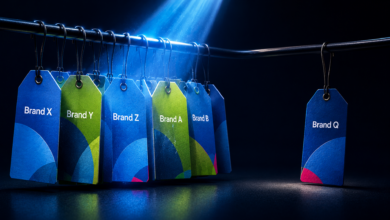
As AI search continues to mature, this distinction is fundamentally reshaping content strategy. The content that delivers the best user experience and genuinely meets people where they are is increasingly the content that earns citations and gets recognized as a trusted source. More critically, we must expand our view beyond our own websites and actively consider third-party platforms. As algorithmic marketers, our primary goal is to maintain a consistent brand and messaging framework so machines can clearly understand what we do, who we serve, and when to surface our company and information.
The Evolution from SEO to Experience-Based GEO
For LLMs specifically, it’s time to stop thinking about interactive search as traditional SEO. Instead, focus on the users you want to attract through citations, or those for whom you want information about your brand to surface. Some SEO fundamentals still apply, but LLMs and AI Overviews are designed to provide customized experiences based on individual user preferences. Your content marketing, both on your site and externally, should prioritize this personalization rather than simply creating content for citations and retrieval.
Let me illustrate this customization with an example to show the difference between SEO and generative engine optimization (GEO) or AI Overview approaches, then dive into actionable steps you can take.
LLMs Know Consumers Better Than You Think
On a recent team call, I pointed out that a client’s CEO and I are very similar. We’re around the same age, in the same geographic region, hold executive job titles, are demographically alike, and both enjoy red wine. However, if we both asked an LLM for a new wine recommendation, specifying a desire for dark fruit notes, a dry finish, and a big, bold mouthfeel, we would almost certainly receive different suggestions, even using the same LLM. Why? Because he prefers Italian wines, while I favor Napa Valley wineries.
Google, functioning as a traditional search engine, may understand what a big red wine is, but LLM systems know more about our buyer personas due to how we engage with them. They remember who we are, while Google does not. From an LLM, I will likely get a recommendation for a Cabernet from California, while he might receive an Amarone from Italy. Both the LLM and Google AI Overview may source products from retailers like Total Wine & More or Binny’s, and use publications like Food & Wine, Wine Spectator, and Vivino for knowledge, but that’s where the similarities end.
LLMs know what we like in a result and what we engage with, so they show us different varietals that better match our preferences when we ask more in-depth questions. Google and traditional search engines, meanwhile, will show more general options for big, bold, red wines.
Google Search Seems to Be Changing
That said, Google appears to be moving toward more personalized results, so expect a more LLM-style approach in the future. Apply this approach to content on your own platforms and anywhere you can influence the narrative on third-party sites. Shifting your content from retrieval-based to citation-based starts with understanding how LLM and AI Overview results are generated, how personalized those results are becoming, and how retrieval methods combine with trust signals from traditional SEO results.
Extending Your Content Strategy Beyond Your Website
Retrieval-augmented generation (RAG) information sourcing requires trusted websites and resources to compile a reasonably factual result. When combined with a personal preference, it may favor one source over another while still using both.
An Example of Talking Points in Action
If the wine suggestions above were to apply here and two retailers, one big-box store and one niche winery, were trying to get featured in the output, they would need to approach the same publications differently. Consider getting wines placed in listicle-style articles. The big-box retailer that carries both Italian and Napa wines will want to be featured under Italian reds with talking points that address the interests of my colleague, the client’s CEO. The Napa winery would not need to worry about making that list since it does not produce Italian wines. However, both will want to be featured under Napa Cabernets since they both sell them, and both will want talking points that matter to my buyer persona.
Tip: Listicle placements are easiest to secure through a media buy or advertorial, an affiliate program, or good old PR work for an earned placement.
For articles about varietals, the big-box retailer would focus on multiple articles and use talking points that matter to the CEO. For example, mentioning that the wine is produced on old vines, which are more common in Europe than in the U. S. For the Napa wines I prefer, the winery would want to highlight how its wines feature a strong mouthfeel, have legs, and offer softer tannins. Big-brand stores will want mass coverage and to have their products featured under many or most wine descriptions and types to build relevance and be seen as experts on the topic of wine across the website, since they carry wines from all countries and varietals.
The Napa Valley winery, on the other hand, would not need to worry about being cited across the entire site. Instead, it would focus on being featured in the Napa and California wine sections, in articles about grapes that are more common in California wines like Cabernet Sauvignon, Merlot, and Petit Verdot, and anything else directly related to the products and services it offers, like California wine tours and tastings.
Another Strategy for Citation-Ready Content
If you are an individual brand or a small business that sells women’s clothing, for example, you could use a similar, yet modified, version of the strategy above. You would also want to focus on getting featured in listicles. When they mention you as one of the best retailers for women’s T-shirts, ensure your brand is present with some of the reasons why, then look for other lists about women’s fashion and clothing to be added to.
Whenever possible, especially once you have developed a relationship with the editor or contributor, have your differentiators present, whether it is moisture-wicking materials, a patent you own, plus-size or petite sizing, signature colors, or being on trend. This builds the topical relevance of your brand mention and feature.
Most importantly, do not stress over being included in every article across each media company. Focus on having your brand featured as a place to shop within the specific content that addresses the common issues your brand solves. After all, this is why your customers shop with you and how LLMs may learn who to show your brand and products to. Non-shopping content that is on topic, like a guide to materials or seasonal fashion trends that feature your brand and someone from it as a thought leader, may help as these systems become more advanced.
Where LLMs Are Sourcing Their Materials
Right now, LLMs are using shopping lists as sources, but they are also looking for expertise. Being cited as an expert in niche themes and selling points across the sources LLMs already trust, and as a place where someone can purchase X, Y, and Z products, can help LLMs make the connection and build their knowledge bases about you. You are not just a name anymore, but a trusted brand that sells X, Y, and Z to A, B, and C demographics.
When you keep getting mentioned more often in new content and are cited by a trusted resource, it may add credibility to your company as a retailer, service provider, or publication. That is what we are focusing on now with many of our content optimizations. The goal here is to let LLMs and SEO algorithms know what you do and sell, and who the specific buyer persona is that shops your brand. Once they have a clear understanding of this, and if they trust your brand and your website or app enough, you may be able to show up in citations and recommendations more frequently and for the long run. And that bleeds into your website experience.
Helping Users and AI Find the Right Fit
You will find out pretty fast that practices that have been considered bad in SEO for years still do not work for GEO and AI Overviews. By this, I mean things like creating satellite pages, pages just for AI to index and find, hidden copy, content in schema, and similar tactics. They do not work, and in the long run, they are likely to tank your SEO, too. The silver bullets and “strategies” we are seeing now, and consider my tongue firmly in my cheek here, are the same things sold as SEO marketing years ago. The LLMs will catch up, your domain and brand will get penalized, and you will need to recover the losses while spending money you may not have on consultants and new team members.
Instead, focus your website experience on the actual customers and buyers who shop with you. This will naturally communicate what your products and services are to search engines and LLMs, your website visitors will know they are in the right place, and you should see conversions increase if you are better at meeting your visitors’ needs. How do you do this?
- Survey your customers to find out what is important to them about what you do and why they chose your products or brand.Each of the items above helps users on your website know what to buy, how to engage, and what meets their needs. This also helps define for LLMs what is the best fit for your customer and the solutions your products and services naturally provide. That is information search engines and AI can use to know when to surface your products and who to show your brand to.
The Standard SEO Elements to Keep in Your Content
That is not to say SEO is going away. Traditional SEO practices still help LLMs understand what your website, products, services, content, and company offer and who they are for. For example:
- Properly applied schema can help define your products, the theme of your content, your services, and the areas where they are provided, helping paint a clearer picture of who your brand is.Creating content for citations and information retrieval is not just about technical optimization or the content on your page. It is also about how third parties experience your brand and talk about it, which helps LLMs determine which users are the best fit for your company and content. Focus on maintaining a consistent voice across every channel you control, make sure your pages are crawlable and easy to understand, and keep testing. LLMs are still new, and we all have an opportunity to learn and adapt as the technology evolves.