Waymo leads autonomous vehicle registrations as Tesla lags behind
▼ Summary
– Waymo has 577 autonomous vehicles registered in Texas, far more than competitors like Avride (317), Nuro (47), and Tesla (42).
– A new Texas DMV website, required by a law effective May 28, 2025, publicly lists AV fleet sizes and safety information for the first time.
– Fleet size does not indicate commercial operation; Nuro and Zoox are not operating commercially, and numbers don’t show active vehicle use.
– Tesla has 42 registered AVs in Texas, despite launching a robotaxi service in Austin and expanding to Dallas and Houston.
– Self-driving truck companies also report registrations, with Aurora at 91 trucks, Gatik AI at 64, Kodiak AI at 33, and Waabi at 13.
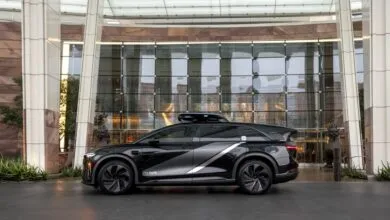
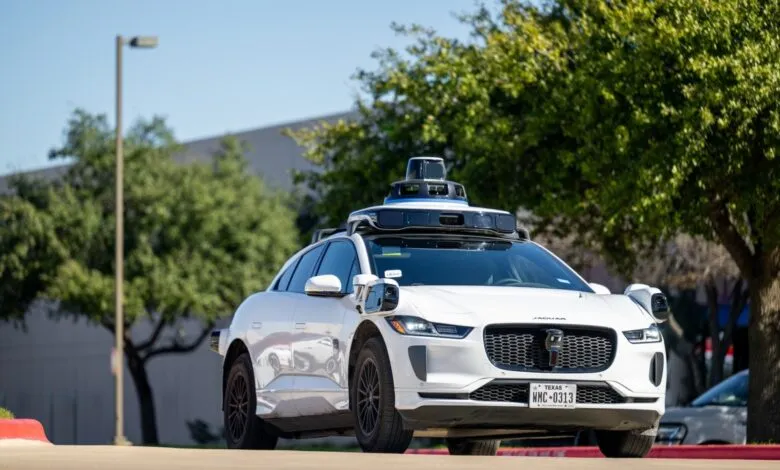
The Texas Department of Motor Vehicles has launched a new public website that offers an unprecedented look at the autonomous vehicle registrations in the state, and the data clearly shows Waymo is in a league of its own. The Alphabet-owned company has registered 577 self-driving vehicles in Texas, leaving competitors like Tesla, Avride, and Zoox far behind.
This transparency tool was created to comply with a state law that took effect on May 28, requiring all companies testing or deploying autonomous vehicles in Texas to report their fleet sizes and safety data. For the first time, the public can easily see exactly how many driverless cars are operating on Texas roads.
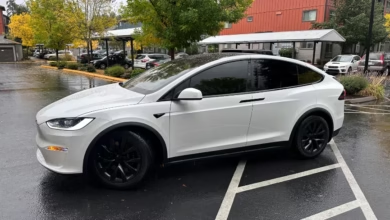
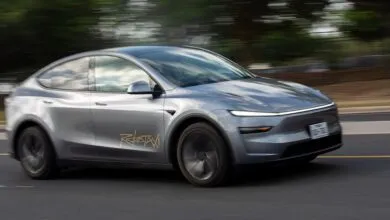
Following Waymo, Avride has registered 317 vehicles, while Nuro has 47. Tesla, which launched its commercial robotaxi service in Austin last summer and claims to have expanded into Dallas and Houston, has only 42 registered autonomous vehicles. Other registered players include Volkswagen’s subsidiary MOIA, which operates a fleet of 12 electric, autonomous microbuses.
The numbers, however, don’t tell the full story. Some companies like Nuro and Zoox are not yet operating commercially, so their registrations may not reflect active deployment. Additionally, the data does not indicate how many vehicles are currently in use. Waymo itself paused operations in certain Texas cities earlier this month after encountering issues with how its vehicles handle flood conditions.
Still, Waymo’s dominance in Texas is undeniable. The company launched commercial service in Austin in March 2025 and has since expanded to Dallas, Houston, and San Antonio. Over time, the DMV tool will offer a clearer view of growth trends among all registrants.
The website also tracks autonomous trucking registrations. Aurora, which launched a commercial driverless trucking business in May 2025, leads that segment with 91 self-driving trucks. Competitors Kodiak AI and Waabi have 33 and 13 trucks, respectively. Gatik AI, a startup focused on mid-sized autonomous trucks, has 64 vehicles in its fleet.
(Source: TechCrunch)