AI Boosts B2B Sales, But Only Humans Build Trust
▼ Summary
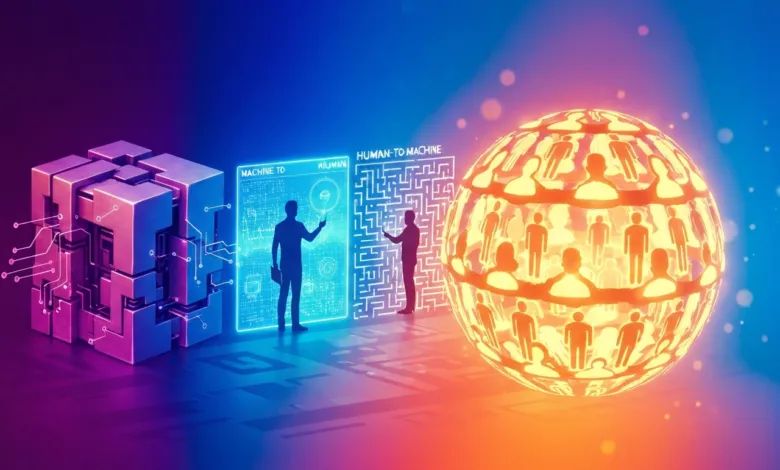
– The article identifies four types of B2B selling relationships: machine-to-machine, machine-to-human, human-to-machine, and human-to-human.
– Machine-to-machine selling is efficient for simple transactions but fails for complex deals requiring risk and trust.
– Machine-to-human selling uses automation to engage buyers early, but lacks understanding of personal motivations or fears.
– Human-to-human selling, which relies on trust and personal connection, is the only relationship that consistently closes complex deals but is declining.
– The author argues that being human is B2B sales’ last competitive advantage, as automation scales the other relationship types.
Every sales and marketing leader should be asking a fundamental question: What kind of selling relationship does our organization prioritize,one driven by humans or machines?
This isn’t just about choosing a CRM, a cadence tool, or evaluating the latest AI platform. It’s about how your organization truly connects with buyers. The answer will determine whether you secure the deals that matter most or watch them slip away.
The Four Selling Relationships Defining B2B Sales
Three of the four core selling relationships in B2B commerce are scaling rapidly. Only one is slowly fading. Yet, it remains the sole approach that reliably closes complex, high-stakes deals.
1. Machine-to-Machine Selling
This relationship involves no human input on either side. It does not build trust and requires no human judgment. Algorithms buy from algorithms, with automated procurement systems evaluating, selecting, and transacting with automated selling systems.
It is efficient, scalable, and entirely devoid of the connection that once built commerce. For renewals, replenishment, and simple transactional purchases, it works. However, it fails for anything complex that requires a buyer to take a real risk with their organization’s budget or their own reputation.
2. Machine-to-Human Selling
Most B2B buyers encounter a machine-to-human relationship before they ever speak to a sales rep. This involves automated email sequences and personalized ads served by algorithms that know a buyer’s job title and browsing history. It also includes chatbots answering initial questions and nurture campaigns following a predesigned customer journey.
By the time a human seller enters the conversation, the buyer has already formed an impression. That impression is shaped entirely by machines that know what the buyer does but nothing about who they are. The data misses their personality, motivations, fears, and personal risk.
3. Human-to-Machine Selling
Most sales reps rely on human-to-machine relationships. The rep is technically in the process, but they sell into a machine rather than to a person. This involves tactics like entering data into a CRM, working system-generated call queues, following algorithm-determined priorities, submitting proposals through procurement portals, and responding to automated RFP systems.
Process has replaced the rep’s judgment, intuition, and ability to read a room. As a result, reps execute a workflow rather than build a relationship. The machine on the other end does not trust, feel, or stake its reputation on anything.
4. Human-to-Human Selling
Human-to-human relationships built every great sales organization in history. They rely on building trust, reading personalities, and deciding whether the person across the table is worth staking a reputation on. It is the sales relationship where a rep works to be chosen. This happens because the buyer believes in the person behind the promise, not because the product scores highest in an evaluation matrix.
Reps squeeze human-to-human sales into whatever time they have left after the other three relationship types have consumed their day. For many, that is not much.
Why Human-to-Human Sales Are Declining
We gradually abandoned human-to-human sales as performance metrics declined and the industry kept reaching for the same answer: more automation, more volume, more technology. When email open rates fell, we sent more emails. When win rates dropped, we added another tool to the stack.
We never stopped to ask whether the real problem was our understanding of the human side of the equation. We built systems that failed to detect everything that makes a human buyer tick. Hidden motivations, the personality driving the decision, and the personal risk attached to every significant purchase do not appear in a lead score or an engagement metric. Because we could not measure these factors, we stopped looking for them.
Buyers are more emotionally driven than any of our systems acknowledge. The factors that determine whether a deal closes are human. They always have been.
Being Human Is B2B Sales’ Last Competitive Advantage
AI will accelerate this shift. The first three relationship types will scale in ways we cannot yet fully predict. But across thousands of buyers and hundreds of real deals, it is clear that the human-to-human relationship is still the one that closes.
The sellers who win in the age of AI will not be the ones who automate the most. They will be the ones who are most human. Being human is the most competitive advantage left in modern B2B selling.
The question is whether your team is investing in it.
(Source: MarTech)