B2B Buyers Choose Vendors Before Contact: 3 Ways to Stay Visible

▼ Summary
– B2B buyers complete 61% of their research and form vendor preferences before contacting sellers, requiring brands to master the invisible buying journey.
– Brand discoverability now extends beyond SEO to include AI tools, review sites, peer networks, technical documentation, and third-party sources.
– Establish brand confidence through answer engine optimization (AEO), generative engine optimization (GEO), authentic reviews on platforms like G2 and TrustRadius, and genuine peer community engagement.
– Enable buying group validation by providing technical buyers with self-serve resources like code guides and test environments, and business leaders with benchmark data, independent research, and analyst evaluations.
– Measure discovery performance across channels, including AI visibility metrics, review platform data, technical validation engagement, and business stakeholder content consumption, to connect activities to revenue.
The central question for B2B brands in 2026 isn’t about search visibility in isolation. It’s about the widening disconnect between where you invest in discoverability and where buyers actually form their decisions.
The hard truth is that B2B buyers now complete most of their research and develop strong vendor preferences before your sales team ever gets a chance to speak with them. Traditional SEO remains vital for brand discovery, but it only scratches the surface of how modern buying groups validate their choices.
While SEO optimizes for a single person searching for a solution, B2B purchasing is fundamentally different. Enterprise decisions involve buying groups averaging eleven members who must reach consensus. By the time buyers contact a vendor, they have already finished 61% of their research. They have formed a shortlist of preferred vendors, all while staying invisible to your relationship managers.
To earn a spot on that shortlist in 2026, organizations must master this invisible buying journey. They need a discoverability strategy that outmaneuvers competitors across the entire research ecosystem.
Here are three tactics to improve brand discoverability beyond SEO, ensuring your brand becomes a top choice for B2B buyers.
1. Establish Brand Confidence Beyond Search
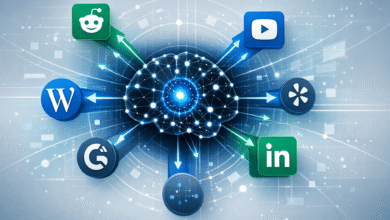
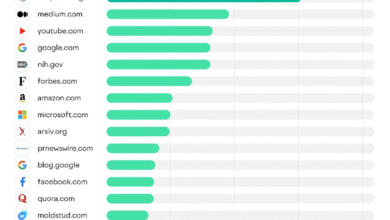
Buyer research extends far beyond search queries. They use AI tools to explore solutions, then validate findings across peer networks, review sites, technical documentation, and professional networks. Your brand must be visible across all these channels simultaneously.
Building brand confidence requires credibility across these key research channels:
- Search engines, answer engines, and AI toolsPrioritize AEO and GEOAs buyers turn to AI for research, answer engine optimization (AEO) and generative engine optimization (GEO) are now critical. Conduct an AI visibility audit to assess your brand’s presence across platforms like ChatGPT, Perplexity, Gemini, and Copilot. Track citations, identify gaps in entity recognition, and monitor competitors in AI-generated responses. Enhance your technical infrastructure with schema markup and optimize content for large language models (LLMs). Secure consistent citations through PR and vendor comparison content, and use citation monitoring tools to link AI visibility directly to revenue.Manage Review Platforms ActivelyBuyers trust peer validation far more than vendor claims. Maintain a steady flow of authentic reviews on G2 and TrustRadius through consistent client engagement. Analyze competitor reviews to identify gaps your products can fill, then address those gaps with specific use cases and documentation. Respond promptly to every review. Your responses show commitment to client success and provide context for future buyers evaluating similar use cases. Align review content with the B2B buyer journey: early-stage researchers need high-level validation, while late-stage evaluators require detailed implementation and integration information.Engage Peer Communities AuthenticallyWhen practitioners recommend your solution unprompted in peer forums, you have earned genuine community support. Engage authentically on LinkedIn, Reddit, Slack channels, and technical forums. Track community sentiment and branded search lift to measure impact. Monitor how often your brand appears in organic peer discussions compared to competitors.
2. Enable B2B Buyers to Validate Your Solutions
Supporting buying group decisions depends on making evidence discoverable that aligns with each stakeholder’s priorities. Organizations that enable validation across technical and business stakeholders earn consideration when groups narrow their options.
Empower Technical Decision Makers
Technical buyers test solutions themselves before talking to sales. They research system integrations on GitHub, solve setup problems on Stack Overflow, and review code interfaces through live documentation. Use structured data and content architecture to ensure resources like code guides and setup workflows are easily discoverable by AI crawlers. Enhance discoverability by providing resources for self-service testing: complete code guides with working examples, test environments, detailed security documentation, and setup workflows for common platforms. Make these resources easy to find where technical buyers actually work. Maintain GitHub projects with real examples, answer questions on Stack Overflow, and publish technical content that demonstrates expertise. Create discoverable materials tailored to different teams: operations needs setup guides with clean code, engineers need system diagrams showing integration fit, and security teams need validated access controls. Implement FAQ schema, HowTo schema, and Organization/Product markup to improve visibility for LLMs.
Support Business Leaders with Validation Frameworks
Business leaders trust proven results and ROI over technical specs. Provide benchmark data comparing your solution to industry standards, with metrics executives can confidently present to their CFO and board. Commission independent research that positions your approach within market trends. Secure placement in analyst evaluations; these third-party validations carry weight with executive buyers who need external credibility. Distribute insights through channels executives monitor: LinkedIn posts on strategic challenges, webinars addressing business transformation, and board-ready presentations translating technical capabilities into business outcomes. Build citation authority through backlinks and third-party mentions to improve discoverability and credibility.
Equip B2B Buying Group Champions
Internal champions need easily discoverable resources to address objections from other stakeholders and build consensus. Provide resource kits with responses to predictable concerns: Finance (ROI models), IT (integration complexity), Security (compliance frameworks), Operations (change management), and Executive leadership (strategic alignment). Offer presentation templates for different audiences: executive summaries for C-suite approval, technical reviews for architecture committees, business cases for financial justification, and adoption plans for operational leadership. Use citation authority tactics like knowledge panel optimization and competitor comparison content to make champion resources more visible and credible.
3. Measure and Optimize Discovery Performance
Discovery channel analytics reveal which research paths lead to real buyer engagement and revenue.
Track Performance Across Channels
Build a comprehensive discovery analytics dashboard that monitors:
- AI Visibility Metrics: Share-of-voice in AI responses across ChatGPT, Perplexity, Gemini, and Copilot. Track citation frequency trends, competitive displacement rate, and AI-sourced traffic attribution correlated with pipeline outcomes.Analyze Patterns That Drive RevenueTrace content consumption paths leading to demo requests, trial signups, and sales conversations. Use tracking parameters and form fields identifying origin sources. Reverse-engineer successful deals to uncover which channels start serious evaluation (peer networks, review sites, technical documentation). Determine whether discovery through practitioner recommendations correlates with higher-quality leads. Identify which content types drive engagement from different stakeholder roles. Correlate discovery metrics with sales cycle length, win rates, and client advocacy rates to identify activities driving shortlist inclusion versus those generating activity without business impact.The buyer journey has fundamentally shifted. Research happens before engagement. Decisions form before conversation. Shortlists solidify before prospects present themselves. Organizations that win in 2026 understand this reality and act accordingly. They establish presence where B2B buyers research, enable validation across stakeholder groups, and measure what drives consideration. Implemented successfully, discoverability becomes the revenue engine powering conversion in the AI-led buying era.