FAA Investigates Blue Origin New Glenn Launch Mishap
▼ Summary
– The FAA has instructed Blue Origin to investigate an apparent upper stage failure during the third launch of its New Glenn rocket.
– This investigation grounds the New Glenn rocket, potentially disrupting Blue Origin’s plan for up to 12 more launches this year.
– The primary mission failed as the rocket placed an AST SpaceMobile satellite into an orbit too low to be usable, resulting in its loss.
– The launch successfully demonstrated booster reusability, a key competitive milestone previously achieved only by SpaceX.
– The failure also risks Blue Origin’s other ambitions, including a lunar lander program and certification for U.S. Space Force missions.
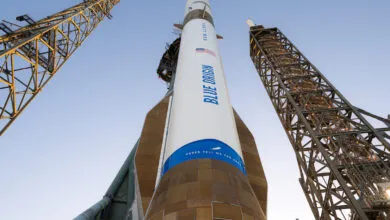
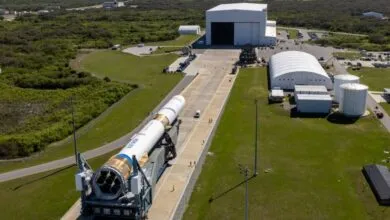
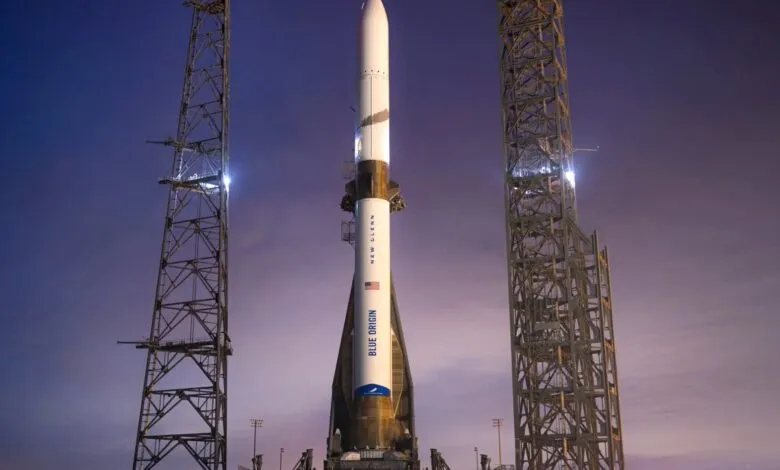
The Federal Aviation Administration has directed Blue Origin to conduct a formal investigation into an anomaly involving the upper stage of its New Glenn rocket. This regulatory action, reported by the Orlando Sentinel, effectively grounds the heavy-lift launch vehicle until the company completes its probe and receives FAA approval to resume flights. The timing presents a significant challenge for Blue Origin’s aggressive launch manifest, which aimed for up to a dozen additional New Glenn missions before the end of the year.
The incident marred what began as a landmark flight for the company. During its third launch, Blue Origin successfully re-used and recovered a New Glenn first-stage booster for the first time, a critical milestone in proving rocket reusability. This capability is essential for reducing launch costs and positions the company as a potential competitor to SpaceX, the current industry leader in reusable launch systems. However, the primary objective of deploying a communications satellite for customer AST SpaceMobile was not achieved.
Following stage separation, the rocket’s second stage apparently encountered a problem. AST SpaceMobile confirmed the satellite was released into a “lower than planned” orbit, an altitude so insufficient that the spacecraft is considered a total loss. The company stated it will allow the satellite to de-orbit and burn up in the atmosphere. AST SpaceMobile noted it carries insurance to cover the financial loss and has other satellites nearly ready for launch within weeks, with contracts secured on alternative launch vehicles. The news initially triggered a more than 10% drop in the company’s stock price on Monday.
For Blue Origin, the repercussions extend beyond a single commercial contract. The investigation and subsequent launch delay could impact the company’s broader strategic goals. A key near-term objective is securing certification from the U. S. Space Force to carry national security payloads, a lucrative market segment. Furthermore, Blue Origin is a major contractor developing a human-rated lunar lander for NASA’s Artemis program. Any sustained issues with the New Glenn rocket, intended to be the workhorse for many future missions, could complicate timelines for returning astronauts to the Moon. The company has not yet issued a public statement regarding the upper stage failure.
(Source: TechCrunch)