Fix Software Weaknesses, Not Just Individual Bugs
▼ Summary
– The CWE framework is transitioning from a background reference to active use in vulnerability disclosure processes.
– More CVE records now include CWE mappings, which are primarily provided by CVE Numbering Authorities (CNAs).
– This inclusion of CWE data tends to produce more consistent and higher-quality vulnerability information.
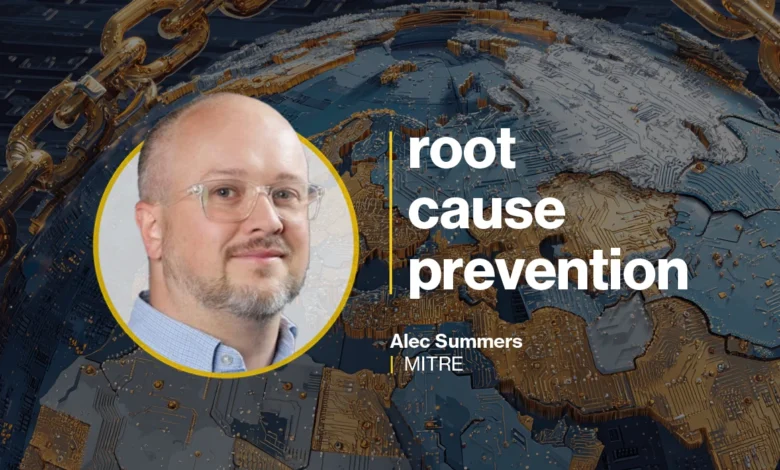
– The interview features Alec Summers, the MITRE CVE/CWE Project Lead, discussing this shift.
– The discussion highlights the practical application and benefits of integrating CWE into the CVE ecosystem.
The approach to securing software is undergoing a significant shift. Rather than simply patching isolated vulnerabilities as they appear, a growing movement focuses on addressing the underlying design flaws and systemic weaknesses that allow bugs to proliferate. This proactive strategy, championed by experts like Alec Summers, project lead for the MITRE CVE and CWE programs, aims to transform how organizations manage risk by targeting root causes.
For years, the Common Vulnerabilities and Exposures list has served as the industry’s primary catalog for specific software flaws. While essential, this reactive model often resembles a game of whack-a-mole. A more strategic framework is provided by the Common Weakness Enumeration. The CWE is a comprehensive list of software and hardware weakness types, such as buffer overflows or improper input validation. It describes the fundamental errors in design, architecture, or code that can lead to exploitable vulnerabilities.
The critical evolution is the increasing integration of CWE data directly into the vulnerability disclosure process. More CVE records now include CWE mappings provided by authorized CVE Numbering Authorities. This linkage is powerful because it moves the CWE from a background reference manual into active operational use. When a CVE is published with its associated CWE, it does more than report a single bug, it highlights the category of weakness that spawned it. This allows developers, security teams, and procurement officers to see patterns. Instead of fixing one instance of a buffer overflow, they can implement broader mitigations, update secure coding standards, and train developers to avoid that entire class of error in future projects.
This systemic focus yields substantial benefits. By categorizing vulnerabilities under their root weakness, organizations can prioritize remediation efforts more effectively. Resources can be directed toward fixing the most prevalent or dangerous weakness types across an entire codebase or product portfolio. Furthermore, this data-driven approach informs better software design from the outset. Developers armed with knowledge of common weakness patterns can write more resilient code, and organizations can make more informed decisions during software procurement by evaluating a vendor’s track record on specific CWEs.
The ultimate goal is to build inherent resilience into software ecosystems. Continuously reacting to individual CVEs is an unsustainable and costly model. The strategic mapping of vulnerabilities to their core weaknesses enables a shift-left mentality, where security is integrated into the earliest phases of development. This represents a maturation of the cybersecurity field, moving from merely treating symptoms to systematically curing the disease. As this practice becomes standard, it promises to reduce the overall attack surface and foster the creation of more fundamentally secure software.
(Source: Help Net Security)