Why Basic Breach Monitoring Falls Short Today
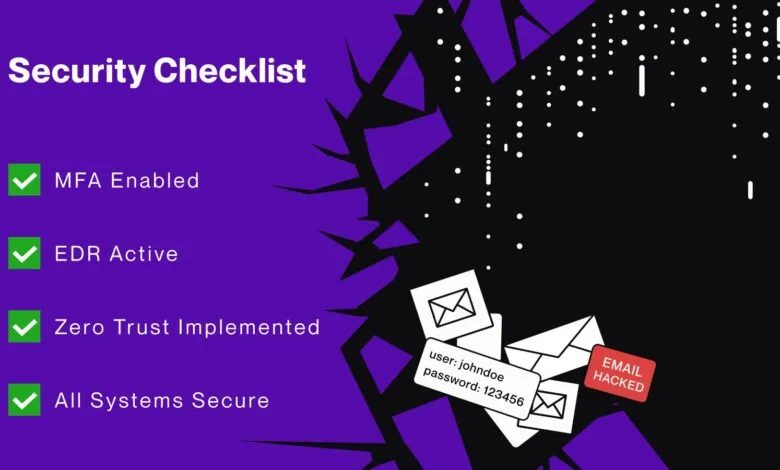
▼ Summary
– Infostealer malware is systematically collecting login credentials and session cookies, evading conventional security measures.
– Traditional breach monitoring is insufficient against modern attacks that leverage stolen credentials.
– Attackers use harvested session cookies to bypass multi-factor authentication and maintain persistent access.
– The stolen data is often sold on dark web marketplaces, enabling widespread secondary attacks.
– Effective defense requires continuous monitoring of credential exposure and active session management beyond initial breach detection.
The digital threat landscape has shifted dramatically. While many organizations still rely on basic breach monitoring to alert them when employee credentials appear in leaked databases, this reactive approach is no longer sufficient. Modern adversaries have evolved their tactics, employing tools like infostealer malware that operate with devastating efficiency. These malicious programs are designed to harvest far more than just usernames and passwords; they systematically collect session cookies, authentication tokens, and other sensitive data directly from a user’s infected browser. This allows attackers to bypass multi-factor authentication and move laterally within a network, often before a password is ever changed.
The core problem with traditional monitoring is its fundamental delay. It scans for credentials that have already been stolen, compiled, and posted to criminal forums or the dark web. By the time a company receives an alert, those credentials may have been actively exploited for weeks or months. Credential-based attacks today are immediate and automated. Infostealers exfiltrate data in real-time, providing threat actors with live, valid keys to the enterprise. Monitoring for static password dumps misses this entire critical phase of the attack chain, leaving a dangerous blind spot.
To build an effective defense, security teams must look beyond simple breach alerts. A proactive strategy requires understanding the entire attack lifecycle, from the initial infection vector to the final data exfiltration. This involves deploying endpoint detection to catch infostealers before they harvest data, analyzing network traffic for signs of credential misuse, and implementing strict access controls that limit the damage from any single compromised account. Relying solely on notification services after a breach has occurred is a strategy of the past. Modern security demands continuous, real-time visibility into how credentials are being used and abused across the entire digital environment.
(Source: BleepingComputer)