Apple Watch Shaped Modern Health Technology
▼ Summary
– The Apple Watch Series 4, released in 2018, fundamentally shifted health tech by introducing the first FDA-cleared atrial fibrillation detection on a consumer wearable.
– Apple’s philosophy prioritizes developing broadly impactful, science-backed health features for a wide audience over quickly chasing niche wellness trends or AI personalization.
– The company employs a disciplined, validation-heavy approach, often delaying features to ensure scientific accuracy and regulatory clearance for its global user base.
– Apple is extending its health technology beyond the Watch to other devices like AirPods and iPhone to democratize access to health information.
– The current health tech landscape is divided between Apple’s methodical, research-driven model and rivals rapidly integrating AI and emerging wellness trends into their products.
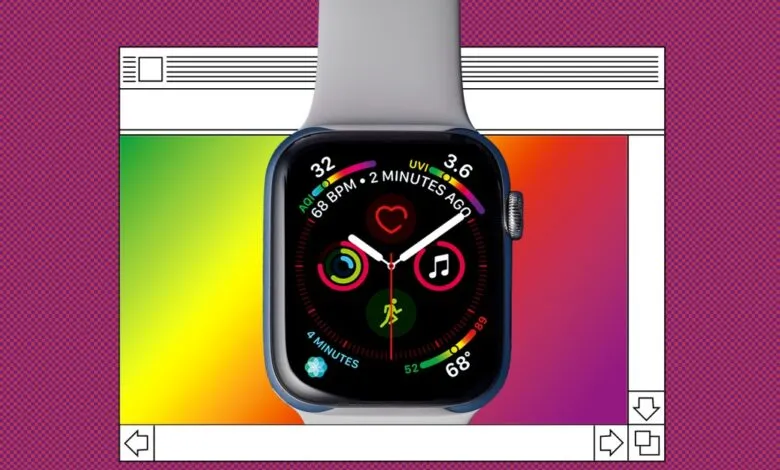
The landscape of modern consumer health technology can be traced directly to a pivotal moment in 2018 with the launch of the Apple Watch Series 4. Before that year, wearables were largely fitness companions, counting steps, monitoring heart rates during workouts, and logging basic sleep data. They were tools for wellness enthusiasts but not considered life-saving devices. The Series 4 changed that paradigm by introducing the first FDA-cleared atrial fibrillation detection on a consumer wearable, fundamentally shifting the industry’s focus from fitness to proactive health monitoring.
This innovation established a new benchmark. Today, advanced health tech is defined by these kinds of clinically validated digital screening features. While initial reactions from the medical community were cautious, questioning accuracy compared to traditional ECGs, the cultural impact was undeniable. Stories of the Apple Watch alerting users to serious heart conditions became regular news, pushing every major competitor to develop similar capabilities. Eight years later, wearables routinely provide alerts for conditions like sleep apnea, hypertension, and irregular heart rhythms, sparking both hope and debate about potential health anxiety.
Apple’s philosophy, as explained by Deidre Caldbeck, senior director of Apple Watch and health product marketing, has been consistent from the start: to build inclusive and intuitive health features with broad impact. Early heart rate sensors were used for workout tracking, but user demand for more context drove development. The Series 3 introduced high and low heart rate notifications, yet the true transformation arrived with the Series 4. Its redesign and the addition of an ECG app marked the shift from a fitness tracker to a holistic health tool.
This deliberate, science-first approach often contrasts sharply with prevailing trends in the wearables market. While rivals aggressively integrate AI-powered personalization and rapidly adopt wellness trends like metabolic health tracking, Apple has frequently been a late mover. Features like last year’s Workout Buddy use AI for motivation and historical highlights rather than generating prescriptive workouts or specific recommendations. According to Caldbeck, this is intentional. The goal is to provide meaningful, actionable insights without offering direct medical advice, empowering users to have informed conversations with their doctors.
Dr. Sumbul Desai, Apple’s vice president of health, emphasizes that every feature is grounded in consensus-based scientific literature and built with privacy as a core principle. The company’s scale demands validation across large, diverse populations, as seen in its inaugural Apple Heart Study with over 400,000 participants. This rigorous process requires patience. For instance, hypertension notifications launched only after a lengthy development and regulatory clearance process, supported by a validation paper involving 100,000 study participants. Similarly, Apple’s sleep score feature arrived years after competitors, prioritizing scientific consistency over speed.
This methodology means Apple may cede short-term buzz to companies chasing every new wellness trend. However, it reflects a disciplined long-term strategy. The ongoing, multi-year Apple Health Study, which has no predetermined endpoint, exemplifies this commitment to foundational research without a guaranteed immediate payoff.
Looking ahead, Apple plans to extend its health technology beyond the Watch. The company sees potential in leveraging devices people use daily, like AirPods and iPhone, to deliver personal health insights. Initiatives in hearing health with AirPods and mobility tracking via the iPhone’s sensors signal a future where health monitoring is seamlessly integrated across the ecosystem.
The broader industry is at a crossroads, with a blurring line between wellness trends and legitimate medical technology. Some companies lobby for relaxed regulations while racing to implement AI for hyper-personalized experiences. Apple’s path is characterized by a slower, scientifically rigorous approach that prioritizes broad, validated impact. While it remains to be seen which philosophy will ultimately define the next decade of health tech, Apple’s unique position allows it the rare privilege of patience, focusing on depth and reliability in a market often driven by novelty.
(Source: The Verge)