Google Faces MacBook Neo Challenge in Early Sales
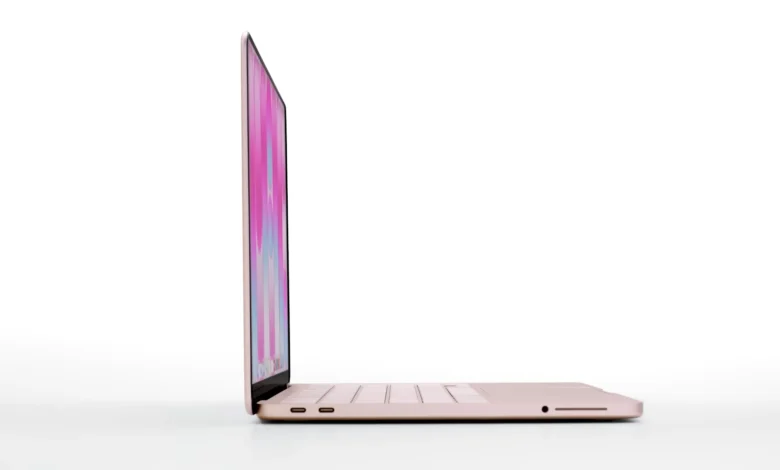
▼ Summary
– The Chromebook Plus was previously considered the top choice for a high-quality laptop under $600.
– Apple historically did not compete in this specific budget laptop market segment.
– The introduction of the MacBook Neo has fundamentally altered the competitive landscape.
– The article implies the MacBook Neo now challenges the Chromebook Plus’s value proposition.
– The core change is that consumers now have a significant new Apple option in this price range.
For years, the budget laptop conversation had a clear frontrunner. The Chromebook Plus category established itself as the definitive choice for a high-quality computing experience under $600, a price point where Apple traditionally offered no direct competition. That landscape has shifted dramatically with the arrival of the MacBook Neo. Early sales data suggests this new, aggressively priced Mac is successfully challenging Google’s long-held dominance in the affordable premium segment, forcing a reevaluation of what consumers expect for their money.
Apple’s strategy with the Neo is a significant departure. By leveraging its custom silicon and streamlined macOS, the company has delivered a machine that prioritizes core performance and battery life over expansive configurability. This focus allows it to hit a compelling price while maintaining the build quality and user experience synonymous with the MacBook brand. Initial reviews consistently highlight the Neo’s exceptional efficiency and robust construction, factors that resonate strongly with students and professionals seeking reliable daily drivers without premium price tags.
Conversely, the Chromebook Plus ecosystem thrives on variety and cloud integration. Manufacturers like Acer, HP, and Lenovo offer numerous models with different form factors, including convertibles and detachables, all unified by Google’s performance standards and deep ties to web-based applications and Android software. This approach provides flexibility and choice, but the Neo’s entry introduces a formidable single competitor that excels in areas where Chromebooks can struggle, notably native app performance for creative tasks and offline usability.
The early consumer response indicates a market ripe for this new option. Analysts note that the MacBook Neo is not just attracting first-time Mac buyers, but also pulling from the pool of users who might have previously considered a higher-end Chromebook or a budget Windows laptop. The appeal of entering the Apple ecosystem at this accessible price point, with its promise of seamless updates and long-term support, is a powerful draw. This creates a unique challenge for Google, which must now defend its value proposition against a competitor with immense brand loyalty and a reputation for longevity.
Ultimately, the competition benefits everyone. Google will likely respond by pushing its hardware partners to innovate further, perhaps emphasizing unique features like superior touchscreens, built-in stylus support, or even more aggressive pricing. For consumers, the MacBook Neo’s market entry means more choice and better value, regardless of which platform they prefer. The narrative is no longer about finding the best cheap laptop, but about deciding which philosophy,Apple’s integrated, performance-focused approach or Google’s flexible, cloud-centric model,best aligns with individual needs and workflows.
(Source: Chrome Unboxed)