Polygraph Flaws: Are There Better Lie Detector Tests?
▼ Summary
– George W. Maschke, a former Army officer with a long-held security clearance, failed an FBI polygraph exam in 1995 despite asserting his honesty.
– The polygraph examiner told him the machine indicated deception regarding his handling of classified information and foreign contacts.
– This failure derailed his FBI career prospects and led him to research polygraphy extensively.
– He later co-founded AntiPolygraph.org, an advocacy website offering resources for others affected by polygraph tests.
– The website provides an e-book, personal accounts, official documents, and legal information about polygraph testing.
The reliability of polygraph testing remains a contentious issue in both security screening and criminal justice. For decades, institutions have relied on these devices to measure physiological indicators like heart rate and perspiration, interpreting the data as a proxy for truthfulness. Yet a single failed exam can derail a career, as George W. Maschke discovered firsthand. After an 11-year career in the Army with a security clearance, his 1995 FBI application was derailed when a polygraph examiner concluded he was being deceptive about handling classified information and foreign contacts. Maschke maintained his honesty, but the machine’s reading ended his prospects. This pivotal moment launched his extensive research into polygraph methodology and ultimately led him to co-found the advocacy site AntiPolygraph.org.
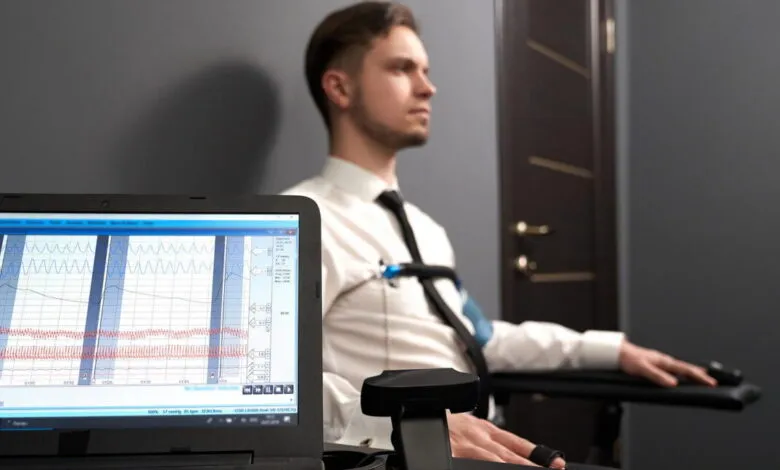
Maschke’s experience highlights a core problem: the polygraph does not detect lies directly. It records autonomic nervous system responses such as blood pressure, respiration, and skin conductivity. Examiners then interpret these physiological responses during a structured question series, a process critics argue is more art than science. The underlying assumption that deception produces a unique, measurable stress signature is not conclusively supported by empirical research. This scientific validity gap means results can be influenced by the examiner’s technique, the subject’s anxiety, or even innocent physical reactions.
The consequences of a false positive result are severe. Individuals may lose job opportunities, security clearances, or face unjust legal scrutiny. Maschke created his website to provide resources for others in similar situations, offering an e-book on testing policies, personal accounts from affected individuals, and documents on government polygraph use. His goal was to foster transparency and offer support that he lacked after his own exam. The site underscores a growing demand for accountability and reform in how institutions use these tools.
Given these documented flaws, researchers are exploring alternative technologies. Some focus on brain-based detection through functional MRI scans, which aim to identify neural patterns associated with deception. Others analyze micro-expressions and subtle facial cues, or employ sophisticated voice stress analysis. While these methods show promise in controlled studies, they face their own hurdles regarding cost, scalability, and the risk of novel forms of bias. The fundamental challenge remains: no technology can infallibly discern a conscious intent to deceive.
The continued use of the polygraph, particularly in national security and employment screening, operates largely on tradition and perceived deterrence rather than proven accuracy. Until a more reliable alternative gains widespread validation, the debate will persist. For now, the human and professional costs of unreliable lie detection continue to fuel advocacy for stricter standards and greater skepticism toward the classic polygraph exam.
(Source: Ars Technica)