Android 17 Beta 3 Tests New Priority Charging Feature
▼ Summary
– Android 17 Beta 3 contains hidden code for a new “Priority Charging” feature designed to speed up charging when time is short.
– The feature works by temporarily pausing background activities like app updates, while still allowing calls and texts.
– It recommends using a 30W or higher charger to ensure more power can be directed to the battery.
– Priority Charging actively manages phone temperature to keep the battery within safe limits during faster charging.
– The feature is not yet visible in user settings, indicating it is still in development or testing.
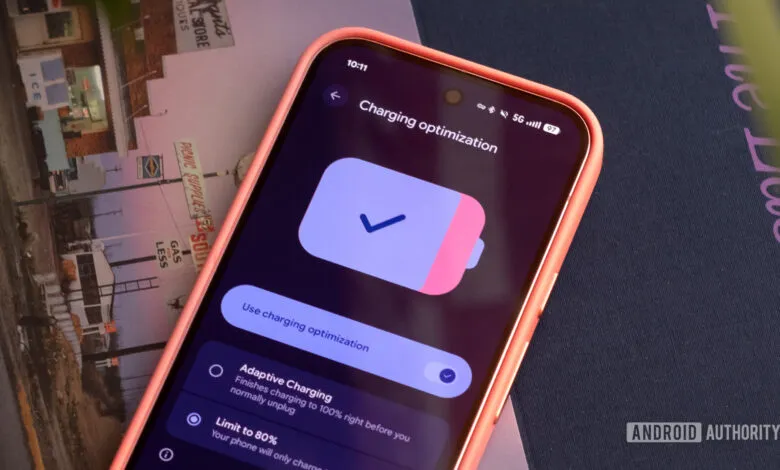
The latest beta for Android 17 has surfaced a potentially useful new tool for managing battery life. Hidden within the code of Android 17 Beta 3 are clear references to a feature called Priority Charging. This function appears designed for those urgent situations when you need a quick battery boost and can’t wait for a full charge cycle.
When activated, Priority Charging works by temporarily halting non-essential background processes. This includes tasks like automatic app updates, which frees up system resources to direct more power into the battery. The core idea is smarter power allocation, not just pushing for higher wattage. Crucially, the system is designed to maintain core communications, so incoming calls and text messages should not be interrupted.
For optimal performance, the code suggests using a 30W or higher charger. This requirement indicates the feature is more than a simple software toggle. It likely relies on capable hardware to deliver a meaningful speed increase once background activity is minimized. The accompanying text also highlights that the phone will actively manage temperature during this process. This is a critical safeguard, as faster charging can generate more heat, and maintaining a safe thermal range is essential for long-term battery health.
Currently, there is no user-facing toggle for Priority Charging in the beta’s settings menu. This suggests the feature is still in active development or undergoing internal testing. Its absence means a public release is not guaranteed. However, if it does progress to a stable version, it could become a valued tool for Pixel users and potentially the wider Android ecosystem. The appeal lies in its practical utility, offering a smarter way to handle quick top-ups compared to simply chasing ever-higher peak charging speeds.
(Source: Android Authority)