AI Documentary Critiques CEOs but Falls Short

▼ Summary
– The article reviews the book *The AI Doc: Or How I Became an Apocaloptimist*, which attempts to find a moderate stance on AI.
– It argues the book’s centrist position ultimately fails to hold tech leaders like Sam Altman accountable.
– The text positions the work as seeking a middle ground in the highly polarized debate over artificial intelligence.
– A core criticism is that this approach provides undue leniency to influential technology executives.
– The review presents the book’s “apocaloptimist” viewpoint as a blend of apocalyptic and optimistic perspectives on AI.
The new documentary The AI Doc: Or How I Became an Apocaloptimist attempts to navigate the complex and heated debate surrounding artificial intelligence. It positions itself as a search for a reasonable middle path between extreme optimism and profound fear. However, the film’s execution has drawn criticism for its handling of powerful industry figures, with many arguing it provides an overly forgiving platform for the very executives shaping our technological future.
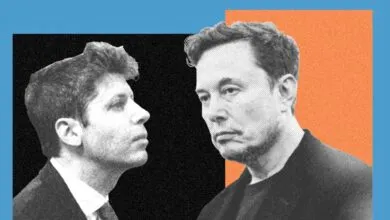
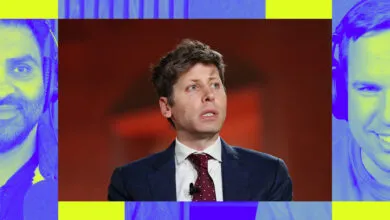
A central critique is that the documentary, while well-intentioned, ultimately fails to hold tech leaders like Sam Altman sufficiently accountable. The film grants them extensive airtime to articulate their visions and concerns, yet its analytical framework often lacks the necessary rigor to challenge their narratives. This approach can feel like a missed opportunity for deeper interrogation, leaving their influential perspectives largely unchallenged and their immense responsibility under-examined.
The term “apocaloptimist” itself reflects the film’s core tension, trying to balance apocalyptic warnings with optimistic possibilities. This conceptual framing is intriguing but proves difficult to sustain. In striving for balance, the documentary can appear to equate the speculative risks highlighted by executives with the documented, present-day harms of AI, such as algorithmic bias, labor displacement, and the concentration of power. This false equivalence weakens its critical stance.
By seeking a middle ground in a fundamentally asymmetrical debate, where corporate voices already dominate, the film inadvertently normalizes their viewpoints. It dedicates significant runtime to the anxieties of CEOs about potential future catastrophes, while giving less weight to the concrete socioeconomic impacts already being felt by communities and workers. This focus can let the industry’s leadership off the hook for current accountability, prioritizing speculative long-term governance over immediate ethical obligations.
The documentary serves as a accessible primer on the AI debate for a general audience, capturing the pervasive sense of both wonder and unease. Its shortcoming lies not in its aim, but in its critical execution. When a film seeks the center on a issue defined by vast power disparities, it risks validating the status quo. In the end, The AI Doc offers a reflection of our polarized discourse but stops short of providing the incisive critique needed to truly navigate it.
(Source: Wired)