Crimson Desert Developer Confirms AI Art Usage
▼ Summary
– Crimson Desert launched successfully but faced criticism for including AI-generated artwork that players discovered in-game.
– Developer Pearl Abyss apologized, acknowledging a failure to disclose AI use and promising to audit and replace all affected assets.
– The company stated the AI was used experimentally for early-stage 2D props to explore tone, but intended them to be replaced by final art.
– Critics note that using temporary AI assets that blend in, rather than obvious placeholders, makes them hard to identify and remove.
– This follows another recent issue where Pearl Abyss promised to fix the game’s problematic control scheme.
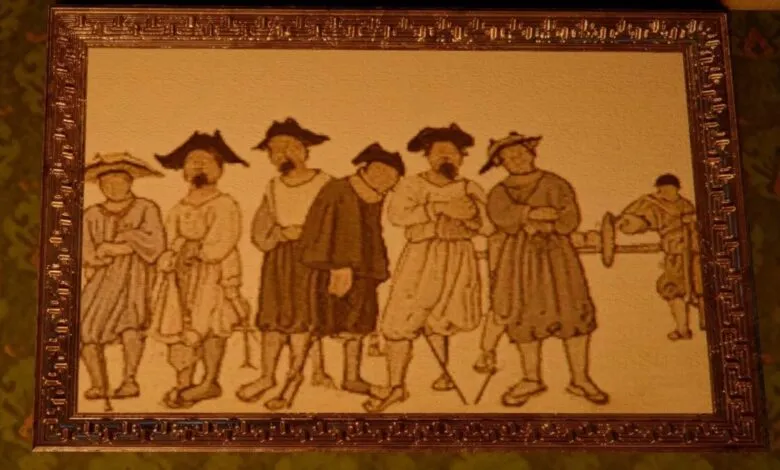
The launch of the fantasy epic Crimson Desert has been met with significant commercial success, yet a controversy has emerged that contrasts sharply with the game’s reputation for high-fidelity graphics. Players discovered numerous in-game paintings exhibiting the telltale flaws of AI-generated artwork, including distorted anatomy and offensive visual stereotypes. In response, developer Pearl Abyss issued a public apology and committed to removing all such assets from the game.
Acknowledging the oversight, the official Crimson Desert social media account stated the studio should have been transparent about its use of AI from the start. The team is now conducting a full audit of in-game content and will replace the affected artwork in future updates. Furthermore, Pearl Abyss is revising its internal pipelines to improve communication and ensure this lapse does not recur.
The developer clarified that the problematic assets were created during early production phases. Experimental AI generative tools were employed to quickly prototype visual props and explore atmospheric concepts. The studio’s stated intention was always to replace these temporary placeholders with original, high-quality art before the final release, a step that was evidently missed for some content.
This incident highlights a growing tension in AAA game development. While using AI for rapid iteration is becoming more common, critics point out a fundamental risk. When temporary assets too closely resemble finished work, they can easily slip through quality control, unlike obvious placeholders that are clearly marked for replacement. This is not the first post-launch issue Pearl Abyss has swiftly addressed, having recently pledged to fix the game’s awkward control scheme as well. The situation underscores the challenges of managing vast, complex projects while maintaining the artistic integrity players expect.
(Source: Kotaku)