Nvidia’s AI Triumph, Tesla’s Setback, and Meta’s VR Shift

▼ Summary
– The podcast episode discusses Nvidia’s major annual AI developer conference, described as a key industry event.
– It covers Tesla facing criticism and losing support from some of its influential online fans.
– The episode notes Meta’s initial decision to shut down its Horizon Worlds VR platform on Quest headsets.
– It clarifies that Meta reversed its decision and will keep Horizon Worlds on limited support.
– The hosts also mention Nvidia CEO Jensen Huang’s significant revenue projection for AI chips.
This week’s tech landscape delivered a mix of soaring ambition and sobering reality. Nvidia’s annual developer conference, often dubbed the AI industry’s Super Bowl, showcased the company’s staggering momentum. Meanwhile, Tesla faced a surprising backlash from its most ardent online supporters, and Meta quietly signaled a significant retreat from its initial metaverse vision by announcing the shutdown of its Horizon Worlds VR platform on the Quest headset, though it later reversed course to offer limited support.
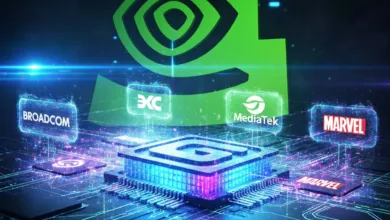
The gathering in San Jose draws a who’s who of developers, executives, and journalists, all eager for insights from CEO Jensen Huang. While much of the focus remains on business-to-business applications that everyday AI users might not directly engage with, the event consistently sets the tone for the sector’s direction. Huang made a notable projection, suggesting the revenue opportunity for Nvidia’s artificial intelligence chips could reach a trillion dollars by 2027, a figure that underscores the immense financial stakes involved.
Alongside bold forecasts, the conference featured tangible new products. The company introduced a fresh offering, highlighting its move beyond mere promises. This follows a previous licensing agreement with Groq, a firm distinct from the similarly named chatbot company. The development underscores Nvidia’s strategy of expanding its ecosystem and partnerships to maintain its dominant position.
Shifting gears, Tesla encountered a different kind of challenge. The electric vehicle maker found itself at odds with a segment of its most loyal online fanbase and influencers. This discord represents a notable shift for a brand historically bolstered by passionate advocate communities. The specific reasons for this rift highlight the complexities of managing brand perception in the digital age, where supporter sentiment can quickly change.
Finally, Meta’s decision regarding Horizon Worlds marks a pivotal moment. The initial move to discontinue the VR social platform on its flagship Quest headset was widely interpreted as a step back from the company’s heavily promoted metaverse ambitions. The subsequent clarification that it will remain available with limited support does little to alter the fundamental message: the grand vision of a ready made virtual world has encountered serious practical hurdles. This adjustment reflects a strategic recalibration as the company balances its long term aspirations with current user engagement and technological realities.
These stories collectively paint a picture of an industry in flux, where even the most powerful players must navigate rapid technological change, evolving market expectations, and the unpredictable dynamics of community loyalty.
(Source: Wired)