Train Adobe’s AI on Your Own Artwork

▼ Summary
– Adobe has launched Firefly Custom Models, a public beta tool that lets users train an AI image generator on their own assets to produce images with a consistent, specific aesthetic.
– The primary goal is to streamline content creation for teams and brands by providing a reusable model that maintains visual consistency across characters, illustrations, and photography.
– These custom models are private by default, meaning the training images are not used to train Adobe’s general Firefly AI models.
– Adobe positions Firefly as an ethical, commercially safe alternative to rivals, as its base models are trained on licensed and public domain content.
– While Adobe prompts users to confirm they have rights to their training data, the company does not explicitly state it prevents models from being trained on unauthorized work.
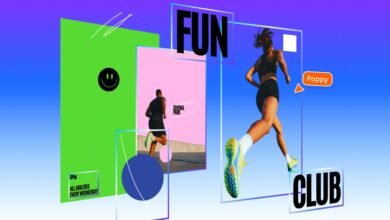
Adobe has introduced a powerful new feature allowing creators to train its AI image generator on their own artwork. This public beta release of Firefly Custom Models enables artists, designers, and brands to build a unique AI model using their personal image libraries. The result is a tool that can generate new visuals while faithfully mimicking a specific artistic style, character design, or photographic aesthetic. This development promises to revolutionize content creation by offering a scalable way to maintain visual consistency.
The primary goal is to streamline creative workflows, especially for teams that need to produce large volumes of content. Instead of starting from a blank canvas for every new project, a custom model provides a reusable foundation. It can preserve intricate details like stroke weight, color palettes, lighting, and character features across countless generated images. For brands, this means the ability to rapidly produce marketing assets, social media content, or campaign visuals that all share a cohesive and recognizable look. Adobe emphasizes that these custom models are private by default; the images used for training remain confidential and are not used to improve Adobe’s general Firefly AI models.
In a recent statement, Adobe highlighted the importance of brand identity, noting that growth requires a steady stream of unique assets. The company positions these custom models as a way for creators to own their distinctive aesthetic. Once trained, the model integrates directly into a creative workflow, allowing teams to generate new ideas, reuse the model across different campaigns, and scale up production without sacrificing what makes their work special.
This move follows the initial private beta announcement at last year’s Adobe Max conference. Adobe has consistently promoted its Firefly suite as an ethically trained and commercially safe alternative to other AI image generators. Its base models are trained on licensed content and public domain material, which the company argues avoids the legal gray areas associated with scraping copyrighted works from the internet.
While giving professionals more control over AI training is a logical step, questions remain about potential misuse. Adobe’s system relies on user accountability. Before training a model, users must confirm they possess the necessary rights and permissions for all uploaded content and that their use will not infringe on copyright, intellectual property, or privacy rights. However, the company has not detailed specific, proactive measures to prevent someone from training a model on another creator’s work without permission. This reliance on user agreements places the initial onus on the individual, leaving some in the creative community to watch how this policy will be enforced in practice.
(Source: The Verge)