Cyberattack Strikes Poland’s Nuclear Research Center
▼ Summary
– Poland’s National Centre for Nuclear Research (NCBJ) detected and blocked a cyberattack on its IT infrastructure before any systems were compromised.
– The attack did not impact the operation of the MARIA nuclear reactor, which is used for research and medical isotope production, not electricity generation.
– The institute has launched an investigation, alerted authorities, and placed its security teams on high alert following the incident.
– While not officially attributed, Reuters reported that Polish authorities found indicators potentially linking the attack to Iran, though these could be false flags.
– This incident follows other recent cyberattacks on Polish infrastructure, including energy systems, with Russia-linked groups being a significant threat.
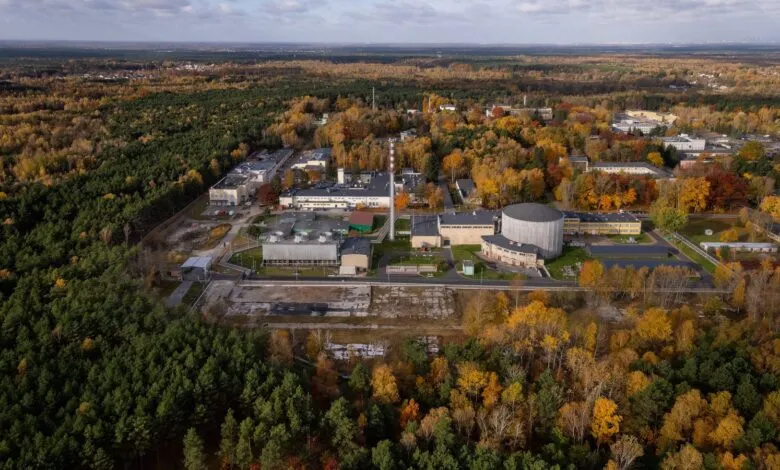
Poland’s leading nuclear research facility successfully defended its computer networks from a sophisticated cyber intrusion, preventing any disruption to its critical scientific operations. The National Centre for Nuclear Research (NCBJ) confirmed that its early detection systems identified the threat, allowing security teams to neutralize the attack before any systems were compromised. This swift response ensured the continued safe operation of all research activities, including those involving the country’s sole nuclear reactor.
According to an official statement from the institute, pre-established security protocols functioned as intended. The combination of automated systems and a rapid human response effectively thwarted the hackers’ efforts. “The attack was thwarted, and the integrity of the systems was not compromised,” the NCBJ reported, crediting its defensive measures and the quick actions of its technical staff. The center plays a pivotal role in Poland’s scientific landscape, focusing on nuclear physics, reactor technology, and radiation applications. It also provides essential support for the nation’s developing nuclear energy program.
A key asset managed by the institute is the MARIA reactor. This facility is dedicated solely to scientific research, neutron experiments, and the production of medical isotopes; it does not generate electricity. Professor Jakub Kupecki, the Director of NCBJ, explicitly stated that the cybersecurity incident had zero impact on the MARIA reactor, which continues to operate safely at full capacity. The integrity of this sensitive infrastructure was maintained throughout the event.
Following the incident, the NCBJ initiated a full investigation and notified relevant government authorities. Internal security teams remain on high alert to monitor for any further suspicious activity. While the research center itself did not assign blame for the attack, external reports from news agencies suggest investigators discovered potential links to Iranian cyber actors. Officials are treating this information cautiously, acknowledging the possibility that such digital evidence could be deliberately misleading.
This cyber event occurs within a context of heightened digital threats to Polish infrastructure. Earlier this year, a Russian state-linked hacking group known as APT44, or Sandworm, targeted the country’s power grid. Their campaign affected distributed energy sites, combined heat and power facilities, and renewable energy dispatch systems. A separate analysis published in late February ranked Poland as a top target for Russian cyber operations, documenting dozens of confirmed incidents over a recent period. Poland’s Defense Minister has recently reiterated that the country is not involved in the Middle East conflict, a statement made public just prior to this latest cyber incident at the nuclear research center.
(Source: Bleeping Computer)