Alpine Alpenglow Hydrogen V6 Prototype Emits Only Water
▼ Summary
– The Alpine Alpenglow is a prototype featuring a high-revving, 3.5-liter twin-turbo hydrogen V6 engine that produces 740bhp and emits only water vapor.
– The engineering team had to modify the engine with a pre-chamber and regulator to manage hydrogen’s fast combustion and prevent metal brittleness.
– The car uses lightweight hydrogen storage tanks instead of heavy batteries, keeping it narrow and balanced for proper track handling.
– The prototype serves as a mobile laboratory to test hydrogen’s long-term effects on engine wear under high-speed driving conditions.
– This project demonstrates a practical path for internal combustion engines to remain relevant with clean energy, particularly for racing applications requiring quick refueling.
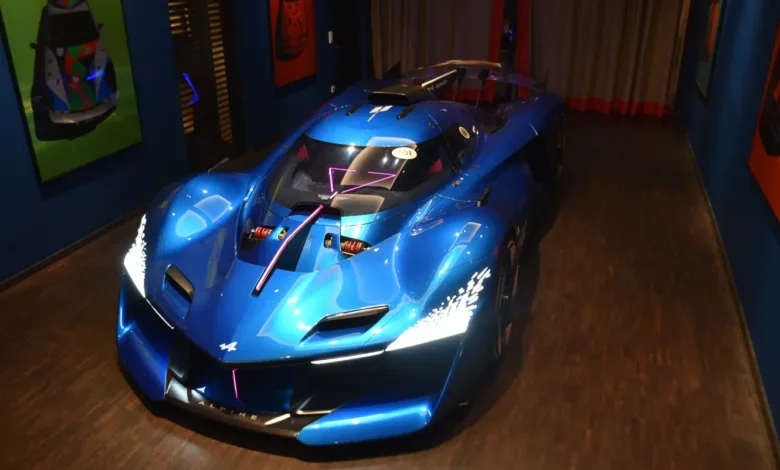
The future of high-performance driving may not be silent, but it can be clean. The Alpine Alpenglow prototype demonstrates this with a high-revving hydrogen V6 engine that emits only water vapor, offering a thrilling alternative to electric powertrains. This functional concept car, seen running at full temperature, develops 740 horsepower and screams to a 9,000rpm redline, proving that the visceral excitement of internal combustion can have a sustainable future.
Constructing the 3.5-liter twin-turbo V6 required Alpine’s engineers to solve unique challenges. Hydrogen burns far more rapidly than gasoline, which can create serious timing and pressure issues if not meticulously controlled. To manage this, the team integrated a specialized pre-chamber and regulator system to handle the gas flowing from its 700-bar storage tanks. This engineering allows the engine to produce immense power while its exhaust releases nothing but steam.
A key advantage of this hydrogen combustion approach is weight savings. The prototype avoids the massive bulk of heavy battery packs, allowing the car to remain narrow, agile, and track-ready. The V6 runs at conventional temperatures, so it uses standard radiators that don’t compromise aerodynamic efficiency. Three hydrogen storage tanks are mounted within the chassis to maintain optimal weight distribution and safety. Furthermore, every internal metal component received special treatment to prevent hydrogen embrittlement, ensuring long-term durability.
Observing the prototype up close reveals it’s more than a show car; it’s a rolling laboratory. The rear features a fully transparent acrylic spoiler, offering a view of the hard-working engine. At the wheels, glowing blue brake lights signal that the hydrogen energy recovery systems are active. These visual cues underscore the vehicle’s role in testing how hydrogen fuel and components withstand the extreme heat and stress of high-speed driving.
Alpine is subjecting the Alpenglow to a rigorous testing schedule to gather data on long-term component wear and engine performance. This project charts a viable course for internal combustion to remain relevant amid tightening environmental regulations. The hydrogen V6 presents a practical solution for performance vehicles, enabling quick refueling times comparable to petrol cars while preserving the mechanical sensation and auditory drama enthusiasts love.
By embracing hydrogen combustion, Alpine finds a path to exhilarating speed without the penalty of excessive battery weight. This prototype confirms that the next generation of fast cars doesn’t have to be quiet, and this pioneering technology is likely to fuel the brand’s future racing ambitions.
(Source: Supercar Blondie)