Your Phone’s Perfect Companion
▼ Summary
– The Unihertz Titan Elite 2, a slim Android phone with a physical QWERTY keyboard, attracted significant attention at MWC for its tactile appeal and pocketable design.
– A trend at the show featured phones designed as secondary devices to create distance from a user’s main smartphone, discouraging constant social media use.
– Examples include the Clicks Communicator, optimized for typing, and the minimalist Light Phone III, which limits functions to calling, texting, and a few tools.
– An alternative approach integrates minimalism into a primary phone, like the Fairphone’s physical slider that restricts app access to encourage focused use.
– Despite challenges like rising component costs, companies in this niche remain optimistic, citing growing demand, particularly from younger consumers seeking better digital tool management.
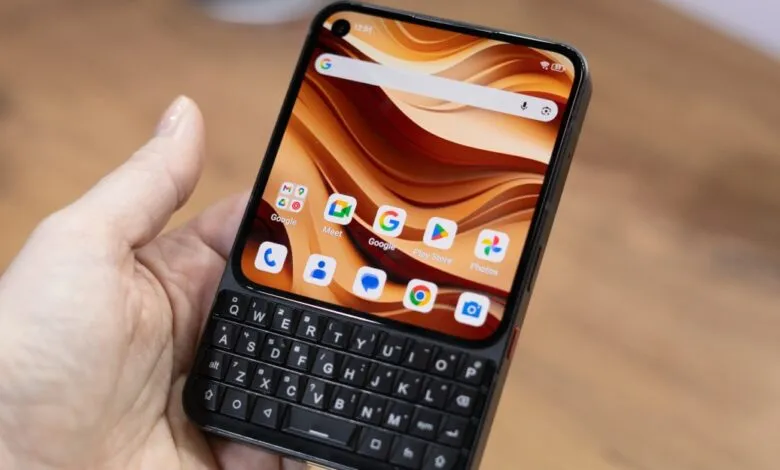
Finding a device that complements your primary smartphone, rather than replacing it, is becoming a compelling proposition for many. At a recent industry event, one standout was the Titan Elite 2 from Unihertz. Its slim, lightweight design and satisfying physical QWERTY keyboard made it an immediate hit with attendees, evoking a sense of nostalgic simplicity that felt refreshingly unburdened. This appeal highlights a broader trend emerging alongside more eccentric gadget concepts: the rise of the dedicated secondary phone.
The mobile showcase featured its share of novelties, from a phone with a built-in electric igniter to devices designed for pets. While these ideas are fun, they are unlikely to reshape the market. More significant was the visible interest in companion devices, phones intended not to be your all-in-one daily driver, but a simplified tool for specific tasks. The concept centers on creating intentional space between you and the constant connectivity of a primary smartphone. Whether for a better typing experience, a digital detox, or simply to curb endless scrolling, these secondary devices are gaining traction.
Models like the Titan Elite 2 are fully capable Android phones, even promising long-term OS support. However, its compact, square screen isn’t ideal for watching vertical videos, which might be precisely the point. Using a secondary device that offers a poor experience for distracting apps can actively discourage their use. The idea is to reserve this phone for essentials like calls, texts, and maybe reading, while leaving social media and other time-sinks on your main device, which you can stow away.
This philosophy connects devices that otherwise look quite different. The Clicks Communicator, another QWERTY phone, markets itself explicitly as a typing-optimized secondary device. Conversely, the Light Phone III takes minimalism further, stripping functionality down to calling, texting, and a few basic tools. Its co-founder notes a growing, split user base: half adopt it as a primary phone, while the other half uses it to complement a smartphone. This demand persists even with minimal marketing, suggesting a genuine shift in consumer mindset.
Naturally, this raises a question: does solving phone overload really require buying another phone? Alternatives like smart glasses or voice-controlled earbuds exist, but as one executive noted, we are not yet at a point where screen-free interfaces are practical for most needs. For now, a separate, limited screen seems to be the most discreet and effective method. Another approach integrates minimalism into your primary device. The Fairphone, for instance, features a physical slider that activates a customizable “moment,” locking the phone to only essential apps and contacts. This tangible switch introduces more deliberate friction than a software-based focus mode, making it harder to impulsively revert to old habits.
Current global supply chain challenges, particularly around components like RAM, threaten to increase phone prices across the board. This economic pressure could make purchasing a second device a harder sell and poses a significant hurdle for smaller brands introducing novel concepts. Despite this, innovators in the space remain optimistic. They are encouraged by a customer base that includes younger users who are more intentional about their digital tool choices. This suggests that the desire for mindful tech interaction is strong, promising that more thoughtful, and perhaps wonderfully unusual, devices will continue to emerge.
(Source: The Verge)
