Chinese Space Firm Secures Major Funding; Falcon 9 Returns to Bahamas
▼ Summary
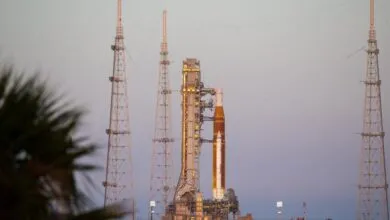
– NASA’s SLS rocket is undergoing a critical countdown rehearsal to determine if the Artemis II lunar mission can launch next month or be delayed.
– Several US allies, including Australia, Canada, Germany, and Spain, are investing in sovereign launch capabilities as a national security priority.
– These nations are funding commercial startups to develop domestic launch industries, as they currently lack independent orbital access.
– Germany, Spain, the UK, Canada, and Australia have committed the most government funding to these homegrown launcher programs.
– The UK’s investment faces questions after the failure of rocket company Orbex, while Brazil, Argentina, and Taiwan have less credible orbital programs.
The global race for independent space access is intensifying, with several nations making significant financial commitments to develop sovereign launch capabilities. While the United States and China maintain a firm grip on the market, other countries view the ability to launch their own satellites as a critical national security and economic priority. This strategic shift is fueling investment in commercial rocket startups from Australia to Germany, aiming to end reliance on foreign launch providers.
A detailed analysis reveals which governments are putting real money behind their ambitions. According to a recent examination, Germany, Spain, the United Kingdom, Canada, and Australia have committed the most substantial government funding to foster homegrown launcher development. These nations currently lack independent orbital launch ability but are actively working to change that status by supporting domestic commercial ventures. The strategy leverages private sector innovation while ensuring the state retains a sovereign pathway to space.
The results of these investments are beginning to surface, though not without challenges. The United Kingdom’s program, for instance, faces uncertainty following the recent difficulties experienced by the Scottish rocket company Orbex. This highlights the inherent risks in cultivating a new launch industry from the ground up. Other countries, including Brazil, Argentina, and Taiwan, also have orbital launch initiatives, though these programs are generally assessed as being in earlier or less advanced stages of development.
Meanwhile, at the Kennedy Space Center in Florida, NASA is conducting a crucial test for its lunar exploration plans. The Space Launch System (SLS) rocket is undergoing a second countdown rehearsal. The outcome of this test will directly determine the timeline for the Artemis II mission, a crewed flight around the Moon. A hydrogen leak in a fueling line halted an earlier practice countdown, making the performance of this system the primary focus. Success could keep a launch attempt on schedule for next month, while further issues would likely push the historic mission into April or later.
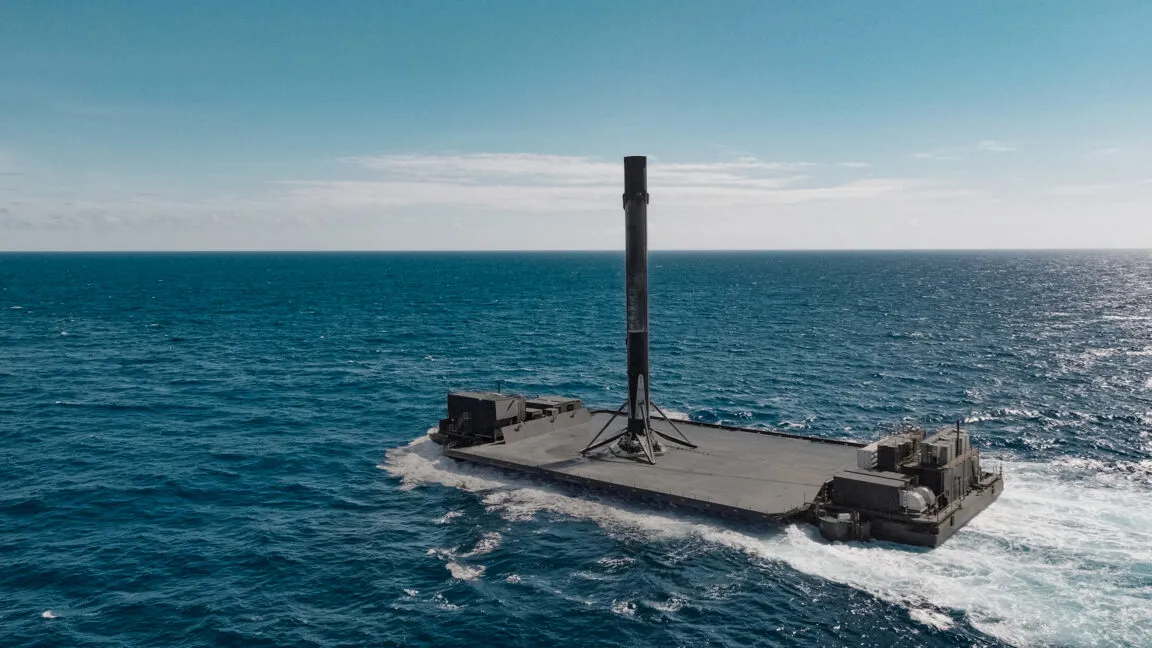
In other launch news, SpaceX continues to demonstrate the flexibility of its Falcon 9 rocket. A booster recently returned to a landing site in the Bahamas after successfully deploying satellites to orbit. This mission underscores the company’s capability to operate from and return to various locations, optimizing trajectories for different payload requirements. The reliable cadence of Falcon 9 flights provides a stark contrast to the developmental hurdles faced by new entrants in the global launch sector.
The broader landscape shows a clear division between established launch powers and aspiring newcomers. For nations just entering the field, the path is expensive and technically demanding. Government funding is essential to bridge the gap between ambitious concepts and a rocket on the launch pad. As these programs evolve, the coming years will reveal which investments yield operational vehicles and which falter, potentially reshaping the geopolitical dynamics of space access. The commitment to sovereign launch is clear; now the focus turns to execution.
(Source: Ars Technica)