Earn $10K+ by Unplugging Ring Doorbells From Amazon Cloud
▼ Summary
– The Fulu Foundation is offering a $10,000 bounty to developers who can make Ring doorbells store footage on a user’s local device instead of Amazon’s cloud.
– This initiative responds to backlash over Ring’s features and aims to give users more control over their video data.
– Currently, Ring’s local storage option is limited to the Ring Alarm Pro and still requires a subscription, even with available end-to-end encryption.
– The challenge acknowledges legal hurdles, as bypassing Ring’s software protections could violate the Digital Millennium Copyright Act.
– To win the bounty, a solution must work with newer Ring models and completely stop data from being sent to Amazon’s servers.
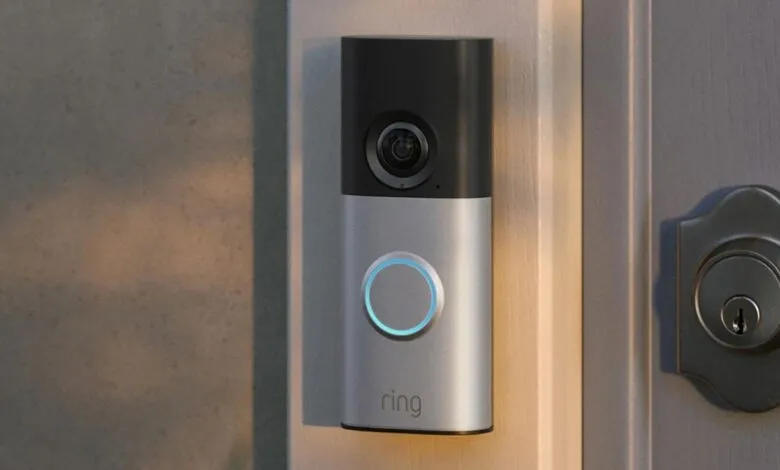
The ability to store security footage locally, rather than on a company’s cloud servers, is a growing priority for privacy-conscious consumers. A new initiative is now offering a significant cash reward to developers who can make this a reality for one of the most popular smart doorbell brands. The Fulu Foundation, a consumer advocacy group, has announced a bounty starting at $10,000 for anyone who can successfully modify Ring doorbell software to store video on a user’s own PC or server, completely disconnecting the device from Amazon’s cloud infrastructure.
This challenge emerges amid ongoing debates about user control and data privacy in the smart home ecosystem. Currently, Ring users must pay a subscription to store their video recordings on Amazon Web Services. While the company offers a local storage feature called Ring Edge, it is exclusive to the Ring Alarm Pro system and still requires a monthly fee. An end-to-end encryption option exists to prevent Ring or others from viewing footage, but the videos themselves remain physically stored on Amazon’s servers, a point of contention for many.
The foundation’s bounty directly responds to these limitations and recent controversies. It follows significant public criticism of Ring’s “Search Party” feature, an AI-powered tool advertised during the Super Bowl that uses the company’s network of doorbells to help locate lost pets. Privacy advocates raised concerns about the broader implications of such a networked surveillance system. While other brands like Eufy, Reolink, and Aqara sell doorbells with built-in local storage, Fulu argues that consumers should not be forced to buy all new hardware when the issue is fundamentally about software control.
“In an ideal world, device owners would be able to modify that software to instead push that footage to their own computer or server, should they so choose,” explained Fulu co-founder Kevin O’Reilly. He emphasizes that the goal is to empower users with true ownership of their data. However, O’Reilly also issued a cautionary note for developers. Any solution will inevitably bump against the Digital Millennium Copyright Act (DMCA), which legally prohibits circumventing digital locks on software. This means creating and distributing a tool for other Ring owners to use could constitute a copyright violation, even if the intent is to enhance personal security.
To claim the bounty, a developer or team must create a working method to integrate Ring doorbells from 2021 or later with a local machine. The crucial requirement is that the modified system must “no longer sends data to Amazon servers or requires connection to Amazon hardware to function.” The initial prize pool is set at $10,000, and Fulu has pledged to match public donations up to an additional $10,000, potentially doubling the total reward. This effort highlights a persistent tension between consumer rights to repair and modify their devices and the legal frameworks that often restrict such activities.
(Source: The Verge)