Nintendo’s Strategy: Filling the Gaps in Gaming
▼ Summary
– The Nintendo Switch 2’s upcoming game lineup appears strong, addressing a historical weakness in supporting titles beyond major franchises.
– Nintendo is bolstering its release schedule with robust, smaller-scale games like *Mario Tennis Fever*, which offer varied modes and chaotic multiplayer fun.
– The company’s president emphasizes the importance of regular new game releases to build the new hardware’s user base during the console transition period.
– Third-party support for the Switch 2 is promising, with major franchises announced and some titles, like *Resident Evil Requiem*, launching simultaneously with other platforms.
– While major first-party games are expected, the Switch 2’s diverse and high-quality supporting library reduces Nintendo’s reliance on blockbuster hits to drive platform investment.
Owning a Nintendo console has always promised access to legendary franchises like Super Mario, Pokémon, and The Legend of Zelda, alongside beloved multiplayer staples. Historically, the library’s strength beyond those titans remained uncertain. For the upcoming Switch 2, however, that uncertainty appears to be fading, with its projected lineup demonstrating surprising depth and variety from the outset.
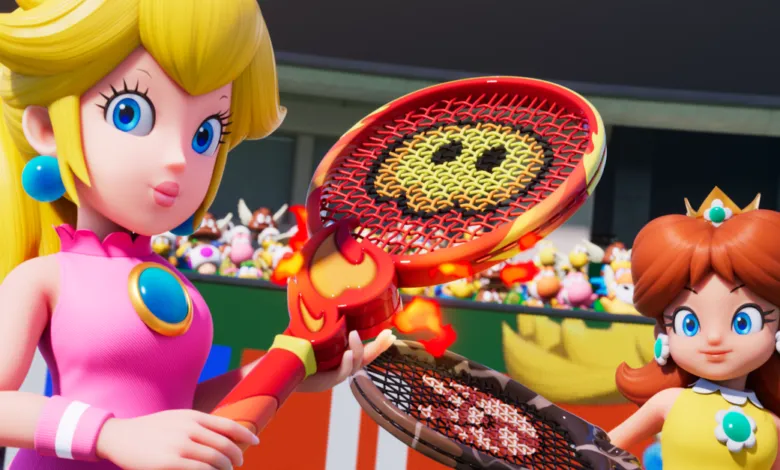
This confidence stems from a few strategic pillars. First is Nintendo’s increasingly consistent delivery of what some might call “smaller” releases, though their quality and content are anything but. Take the recent launch of Mario Tennis Fever. Much like Mario Kart reimagines racing, this title transforms tennis into a delightfully chaotic spectacle, packed with wild power-ups and a colorful roster perfect for social play. The game offers a robust package beyond standard tournaments, featuring a challenge-based tower climb, nostalgic motion controls reminiscent of Wii Sports, and a whimsical single-player story where Mario must reclaim his skills after an unfortunate de-aging incident.
Nintendo president Shuntaro Furukawa recently emphasized the critical role of such steady software releases during this hardware transition. He noted that regular new titles are essential for building the new system’s user base. Perhaps more importantly, he stressed the need to “maintain touchpoints with consumers” actively engaged on their platforms throughout the multi-year shift from the original Switch to its successor. These reliable, high-quality experiences serve as vital connective tissue.
The second, equally crucial pillar is third-party support, an area where Nintendo’s history has been spotty. The original Switch performed reasonably well here, largely fueled by its massive install base, and the Switch 2 is trending positively. A recent Nintendo Direct presentation showcased a remarkably strong slate of partner titles, including heavyweight franchises like Fallout, Final Fantasy, The Elder Scrolls, and Resident Evil. While some are legacy ports, the confirmation that Resident Evil Requiem will launch day-and-date on Switch 2 alongside PlayStation, Xbox, and PC versions is a particularly encouraging signal for parity.
Of course, major first-party games are inevitable. The Switch 2’s first-year calendar already boasts announced titles such as Mario Kart World, Donkey Kong Bananza, and Metroid Prime 4: Beyond. With Pokémon Day approaching, a reveal of the next mainline Pokémon adventure seems likely. New 3D Mario and Zelda entries are assured, given the years since Super Mario Odyssey and The Legend of Zelda: Tears of the Kingdom.
In previous generations, gaps between these flagship announcements could cause anxiety. The emerging Switch 2 strategy suggests a different reality. The combination of dependable Nintendo-developed experiences and compelling third-party offerings creates a library that is compelling on its own merits. Consumers may initially invest in the hardware for Mario and Link, but it is the consistent flow of excellent software across the spectrum, titles like Mario Tennis Fever, that sustains the platform’s value and player engagement over time.
(Source: The Verge)