Garmin Adds Nutrition Tracking to Its Fitness Features
▼ Summary
– Garmin is adding a nutrition tracking feature to its Garmin Connect app for users with a Garmin Connect Plus subscription.
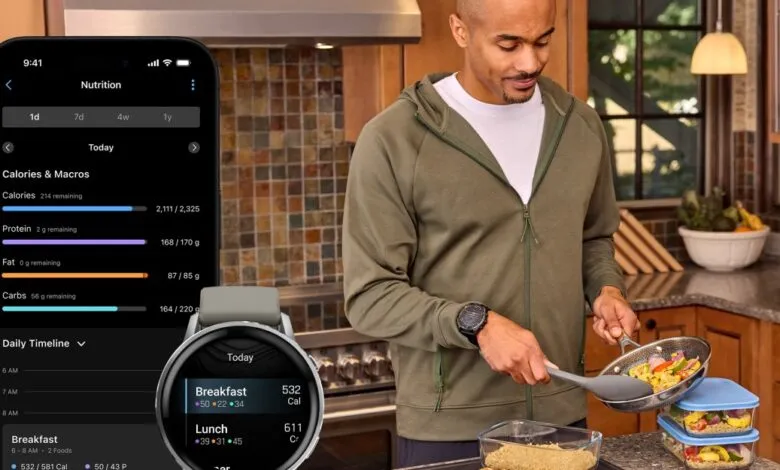
– The feature allows users to log calories and macros by searching a database, scanning barcodes, or using a smartphone camera.
– Compatible Garmin smartwatches will provide a quick overview of nutrition and access to recently logged foods.
– The service provides personalized calorie and macronutrient recommendations through daily, weekly, monthly, and annual reports.
– It uses AI-powered Active Intelligence insights to show how nutrition impacts health and training, like linking late-night eating to sleep quality.
Garmin is expanding its health and fitness ecosystem by integrating comprehensive nutrition tracking directly into the Garmin Connect app. This new functionality is a core benefit for subscribers of the Garmin Connect Plus service, providing a more holistic view of wellness by combining activity data with dietary insights. Users can now monitor their caloric intake and macronutrient breakdown, tracking proteins, fats, and carbohydrates, while receiving personalized feedback through the platform’s Active Intelligence system to better align their eating habits with fitness objectives.
Logging meals is designed to be straightforward. Individuals can search an extensive global food database that covers packaged goods, restaurant menu items, and regional specialties. For added convenience, the app supports barcode scanning and allows users to snap photos of their meals with their smartphone camera to simplify the entry process. Those wearing compatible Garmin smartwatches gain the added advantage of viewing a concise nutrition summary directly on their wrist, along with easy access to their most frequently logged or recent food items.
The platform goes beyond simple logging to offer detailed analytics. Subscribers can access daily, weekly, monthly, and annual nutrition reports, which provide a clear picture of their dietary patterns over time. The system also generates personalized calorie and macronutrient recommendations tailored to individual health and activity goals. Leveraging artificial intelligence, the Active Intelligence insights analyze how nutrition interacts with other health metrics. For example, it might highlight a connection between late-night snacking and a decrease in sleep quality, offering actionable advice to help users understand the impact of their dietary choices on overall well-being and training recovery.
(Source: The Verge)