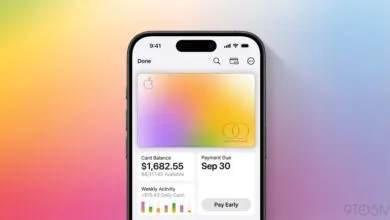
Apple Card’s Major Overhaul Could Arrive in 2026
▼ Summary
– Goldman Sachs is seeking to exit its Apple Card partnership after losing over $1 billion, with total consumer product losses reaching $6 billion.
– JPMorgan Chase is currently the leading contender to take over the partnership, though a deal has not yet been finalized.
– A major challenge for any new lender is the Apple Card’s high subprime customer rate of 34%, which exceeds industry averages.
– The future of the linked Apple Card Savings Account is uncertain, as Goldman Sachs may continue to operate it separately from the credit card.
– If a takeover occurs, the Apple Card is likely to become less generous, potentially introducing fees and reducing benefits.
The Apple Card, launched in partnership with Goldman Sachs, is poised for a significant transformation as its banking partner seeks an exit. The future of this popular credit product hinges on finding a new financial institution willing to take on its unique, and costly, customer portfolio. Goldman Sachs is actively looking to offload the Apple Card partnership, with reports indicating substantial financial losses tied to the venture. While several major banks have been rumored as potential successors, the path to a new agreement is fraught with challenges primarily related to the card’s user base.
A primary reason for Goldman’s desire to exit is the staggering financial toll. The partnership has reportedly cost the bank at least $1 billion, contributing to total consumer product losses of around $6 billion. These figures aren’t solely due to customer payment issues. The card itself is a notably generous financial product, featuring no foreign transaction fees, no late fees, no returned payment fees, and offering up to 3% cash back at select merchants. This combination of high rewards and a lenient fee structure, while attractive to users, has impacted profitability.
Currently, JPMorgan Chase is considered the frontrunner to assume the partnership, according to financial reports. However, a final deal remains unsigned. A central sticking point is the composition of Apple Card holders. Data suggests that approximately 34% of its customers are considered subprime, defined by credit scores below 660. This rate is higher than that of Chase (around 15%) and even surpasses known subprime lender Capital One (about 31%). Furthermore, the card’s delinquency rate sits near 4%, above the industry average. Given these risk factors, any new lender would likely only proceed if they can acquire the portfolio at a substantial discount. The total balances involved exceed $20 billion, making the negotiation complex.
Another layer to this transition involves the Apple Card Savings Account, also issued by Goldman Sachs. This high-yield savings product, while linked to the card for cash back deposits, operates somewhat independently. Its future is uncertain in a handover, as JPMorgan Chase does not typically offer such accounts. It’s possible Goldman Sachs could continue to service the savings accounts even if another bank takes over the credit card, as the firm still operates its Marcus savings platform.
Looking ahead, the most probable outcome is that the Goldman Sachs partnership concludes around 2026 after extended negotiations. A change in issuer will almost certainly lead to modifications for cardholders. The introduction of late fees and a reduction in the product’s overall generosity are plausible outcomes as a new bank seeks to improve profitability. If a deal with JPMorgan Chase does not materialize, Capital One could emerge as a strong alternative, especially following its acquisition of Discover, which provides a unique advantage as both card issuer and payment network.
Ultimately, the Apple Card’s next chapter will be defined by how Apple and its future banking partner balance the card’s consumer-friendly appeal with the financial realities of serving its current customer base. The coming years will reveal whether the card can maintain its distinctive features under new management.
(Source: 9to5Mac)