Power Outage? This Induction Stove Still Works
▼ Summary
– The Electra Induction Stove is a battery-powered induction range that can operate during a power outage, thanks to its built-in 5kWh lithium iron phosphate battery.
– Unlike most induction stoves requiring a 240V outlet, the Electra plugs into a standard 120V outlet, significantly reducing installation costs and complexity.
– At $4,000, the Electra is expensive but its price may be offset by avoiding the cost of hiring an electrician to install a dedicated circuit.
– The stove performed well in a cooking demonstration, with its 1800W burners providing quick heating, though its oven capacity is smaller than some competitors.
– The company envisions its battery technology could lead to appliances that provide whole-home backup power and help manage grid demand, representing an innovative approach to sustainable home appliances.
For those who love to cook, a power outage can bring meal preparation to a complete halt, a common drawback of electric and induction ranges. The Electra Induction Stove offers a compelling solution by integrating a substantial battery, allowing you to continue cooking even during a blackout. This innovative appliance not only provides emergency backup but also simplifies installation by operating on a standard household outlet, potentially reshaping expectations for kitchen appliances.
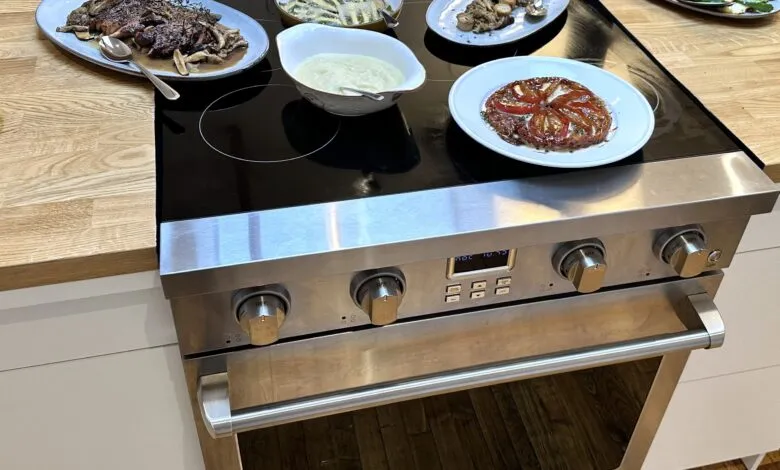
Functionally, the Electra resembles a standard induction range with four cooking elements and a lower oven. The key difference lies in its integrated 5kWh lithium iron phosphate battery. This battery powers the stove during outages and works in tandem with your home’s electrical system during normal use. Unlike most induction ranges that require a costly 240V circuit and professional installation, the Electra plugs into an ordinary 120V outlet. This design can eliminate expensive rewiring, making the upgrade to induction far more accessible. Through a companion app, users can even limit the appliance’s amperage draw to prevent overloading a shared household circuit.
The built-in battery is engineered for longevity, rated to retain 80% of its capacity after 6,000 charge cycles and designed to last over a decade. In a blackout, this reserve can keep the kitchen operational for several days, depending on usage. The appliance’s specifications include four burners of varying sizes, with two powerful 1800W elements, and a 4.55 cubic foot oven with 4900W of heating power.
With a preorder price of $4,000, the Electra sits at the premium end of the induction market. Competing models from brands like Samsung and LG often cost several hundred dollars less and may include more high-tech features. However, the Electra’s price may be offset for many buyers by the significant savings on electrical installation costs that its plug-in design affords.
A hands-on demonstration showcased the stove’s capabilities, where a chef prepared a multi-course meal. The 1800W burners performed impressively, quickly bringing a cast-iron pan to a smoking heat for a perfect steak sear and boiling water rapidly. The oven effectively kept finished dishes warm. The physical build quality feels robust, with solid knobs and hinges, though the control interface on the unit itself is fairly basic. Enhanced monitoring and control are available through the device’s app. It’s worth noting the oven cavity is slightly smaller than some competitors, though it can still accommodate a holiday turkey.
Looking ahead, the company envisions the battery serving as a component for whole-home backup or for reducing grid demand during peak hours. This concept could pioneer a future where major appliances have integrated batteries, creating decentralized home energy systems. While any new company faces questions about long-term viability, the Electra stove presents a genuinely innovative approach. It merges convenience with sustainability, potentially influencing larger manufacturers to adopt similar technology, which could become its most enduring impact.
(Source: Toms’s Guide)