Topic: phishing attacks
-

Snail Mail Scam Targets Trezor, Ledger Crypto Wallets
Criminals are sending physical letters impersonating hardware wallet companies like Trezor and Ledger, using QR codes to direct victims to phishing sites that steal recovery phrases. The fraudulent letters create false urgency with deadlines and lead to fake websites mimicking official wallet set...
Read More » -

AI Fuels 100% Surge in Phishing Attacks
AI has fueled a 100% surge in phishing attack rates, with security systems now intercepting one malicious email every nineteen seconds, doubling the previous year's frequency. Cybercriminals use AI to create polymorphic, multi-channel campaigns that constantly adapt their appearance and personali...
Read More » -

Phishing Happens: You're Only Human
Phishing exploits human psychology, using urgency and emotional timing to bypass rational thought and target individuals during vulnerable moments, making anyone susceptible regardless of expertise. The attack method has industrialized, with phishing-as-a-service platforms and AI tools enabling h...
Read More » -

Google Cracks Down on Fake E-Z Pass and USPS Text Scams
Google has filed a lawsuit to dismantle a widespread phishing operation originating from a China-based cybercrime syndicate, which uses "Lighthouse" kits to deceive millions globally. These phishing kits enable scammers to create fraudulent messages and websites that trick victims into providing ...
Read More » -

Why Attackers Are Phishing on LinkedIn
Phishing attacks have expanded beyond email, with 34% now occurring on platforms like LinkedIn, targeting executives in finance and tech sectors, but are severely underreported due to reliance on email-focused security metrics. LinkedIn phishing evades conventional defenses by bypassing email sec...
Read More » -

Hackers disguise phishing as business opportunities
Cybercriminals are exploiting routine business inquiries, specifically requests for quotation (RFQ), to bypass skepticism and compromise corporate email accounts through a threat vector that has seen a 12-fold increase. These attacks typically begin with sparse messages that lure recipients into ...
Read More » -

1Password's New Anti-Phishing Tool Protects Your Weakest Link
AI-powered phishing scams are creating sophisticated, convincing fake websites at scale, posing a significant threat to both individuals and corporations as a common entry point for attacks. 1Password's new phishing protection feature counters this by issuing a warning when users manually paste c...
Read More » -

Bank of America Phishing Scam Deploys Remote Access Malware
Phishing emails posing as Bank of America lure victims to fake login pages that steal credentials and trigger a malicious script installing ScreenConnect, a legitimate remote access tool abused for unauthorized control and persistence. The attack grants attackers full remote control, enabling dat...
Read More » -

Phishing Tops Cyber-Attack Entry Methods
Phishing has become the primary initial attack vector in over half of all cyber incidents investigated, a sharp increase from the previous quarter's one-third. Attackers are using sophisticated evasion methods, such as QR code phishing campaigns that bypass email gateways and use trusted cloud pl...
Read More » -

Microsoft Enhances Windows Security Against Malicious RDP Files
Microsoft has released a Windows security update to counter phishing campaigns that exploit malicious Remote Desktop Protocol (.rdp) files. The update introduces user warnings and changes default settings to automatically block risky shared resources, disrupting a common malware deployment vector...
Read More » -

State-Backed Phishing Targets Military, Journalists on Signal
German authorities warn of a state-backed phishing campaign targeting European elites, exploiting the Signal app to compromise high-profile individuals for espionage, with techniques adaptable for criminal use. Attackers use two primary methods: impersonating Signal support to trick victims into ...
Read More » -
Chrome And Safari Alert: This Sign Means You're Hacked
A new phishing technique exploits small mobile screens by using characters like "rn" to mimic "m" in URLs, tricking users into visiting fake sites that resemble legitimate ones like microsoft.com. The primary defense is behavioral: avoid logging in via emailed links and instead navigate directly ...
Read More » -

Energy Firms Hit by Sophisticated AiTM Phishing Attacks
A sophisticated phishing campaign is targeting the energy sector using Adversary-in-the-Middle (AiTM) attacks, which bypass standard email filters and multi-factor authentication (MFA) by stealing login credentials and session cookies. Once an account is compromised, attackers establish persisten...
Read More » -
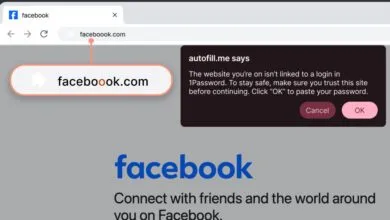
1Password's New Feature Fights Phishing Attacks
1Password is launching a new security feature that proactively detects and warns users about potential phishing attempts by monitoring for deceptive website addresses. The feature works by preventing autofill and displaying an alert when a visited site's URL doesn't match a legitimate one saved i...
Read More » -

Beware Fake PayPal Alerts: Hackers Steal Logins, Deploy Malware
A sophisticated cyberattack uses fake PayPal security alerts, starting with phishing emails and escalating through phone-based social engineering to install malware. Attackers abuse legitimate remote monitoring tools like LogMeIn Rescue and AnyDesk to gain persistent access, evading detection by ...
Read More » -

Spot Browser-in-the-Browser Phishing Before It Spots You
A sophisticated phishing technique called Browser-in-the-Browser is resurging, embedding fake login windows within legitimate webpages to steal credentials by mimicking trusted services like Microsoft and Facebook. The attack uses deceptive pop-ups that appear as genuine browser prompts, ofte...
Read More » -

Cyber-Fraud Now Tops Ransomware, Says World Economic Forum
Phishing and cyber-fraud have surpassed ransomware as the top global cybersecurity threat, causing major financial losses and eroding digital trust, with 77% of executives reporting an increase in such incidents. Artificial intelligence is accelerating cybersecurity risks, with most leaders repor...
Read More » -

The Hidden Vulnerabilities in Email Security
Email is the primary cyberattack vector, with malware, scams, and phishing attempts surging by over 130%, 30%, and 20% respectively, causing widespread operational disruptions. Over 78% of organizations experienced an email breach last year, with phishing and impersonation being the most common m...
Read More » -
Rising Google Ads MCC Takeover Scams: How Phishing Attacks Work
A surge in sophisticated phishing attacks is compromising Google Ads Manager accounts, allowing fraudsters to drain advertising budgets of tens of thousands of dollars within hours, even bypassing two-factor authentication. Attackers use deceptive emails that mimic legitimate Google invitations, ...
Read More » -

Phishing Leads EU Cyber Intrusions, ENISA Reports
Phishing was the leading initial attack method in the EU, responsible for 60% of intrusions, with outdated mobile and OT systems being prime targets. DDoS attacks comprised 77% of all incidents, largely driven by hacktivism, but only 2% caused service disruptions, with groups like NoName057(16) e...
Read More »