Google Play to display some developers’ home addresses
▼ Summary
– Google requires Play Store developers to declare their trader status under the EU Digital Services Act by February 1, 2027.
– Starting March 1, Google will display trader contact details globally, including physical addresses and phone numbers for personal accounts.
– Unlike Apple which restricts this visibility to the EU, Google plans to show these details to all users worldwide regardless of location.
– Developers failing to declare their status risk having their app updates blocked or applications removed from the store entirely.
– This policy change coincides with Google opening its platform to more first-time developers through free publishing options like AI Studio.
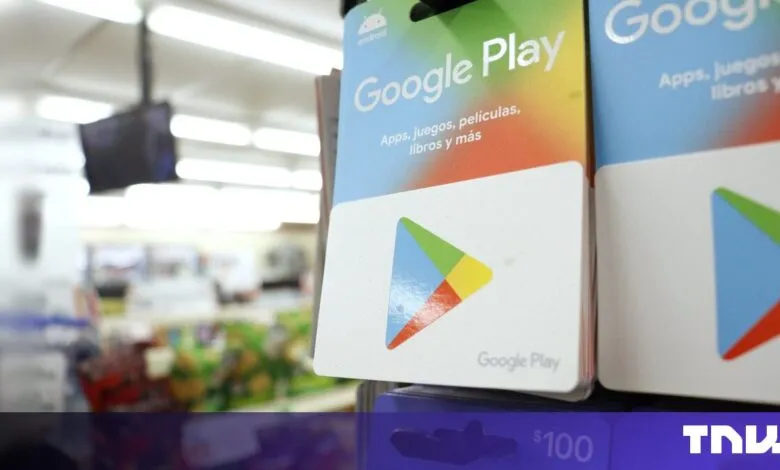
Google Play Store is set to reveal developer contact information globally, a move that will expose the home addresses and phone numbers of many individual app creators. This significant shift in transparency policy begins on March 1, with Google requiring developers to declare their status under the EU’s Digital Services Act (DSA) by February 1, 2027. The company treats any developer generating revenue through paid downloads, in-app purchases, or advertising as a “trader,” subjecting them to these disclosure requirements.
For solo developers operating personal accounts, this mandate means their private residence details will be visible to users worldwide. Google explicitly rejects post office boxes for this purpose, pulling the physical address directly from the developer’s payments profile. Failure to declare a status carries severe penalties, including blocked updates or complete removal of applications from the store. While the DSA technically mandates these disclosures only for buyers within the European Union, Google has chosen to display this information to all users globally.
This approach contrasts sharply with Apple’s implementation of similar regulations. Apple restricts the visibility of trader details exclusively to users located in the EU and allows developers to use P. O. boxes if they provide proper documentation. Under Google’s new rules, developers who do not distribute apps in the European Economic Area or the UK can classify themselves as non-traders. However, this exemption offers little protection for independent creators who earn income from European customers, effectively forcing them to choose between privacy and compliance.
The policy update coincides with Google’s broader efforts to lower barriers for entry into the Play Store. The platform recently announced that anyone can now publish apps for free using its AI Studio tool. Additionally, the company faces legal pressure following a recent US court order instructing Google to stop hindering the installation of rival app stores. These combined developments highlight an industry moment where regulatory compliance and market expansion are driving unprecedented changes in developer-facing policies.
(Source: The Next Web)