Amazon: Falcon 9, Ariane 6 deliver when others fail
▼ Summary
– Amazon successfully launched 36 satellites for its Amazon Leo broadband constellation using a European Ariane 6 launcher.
– This launch brings the total fleet to 432 satellites following the loss of 40 satellites in a recent United Launch Alliance Vulcan rocket failure.
– Amazon is accelerating several Falcon 9 launches with SpaceX, moving one planned flight from next year to December to replace lost capacity.
– Amazon originally secured launch contracts with multiple providers including ULA, Arianespace, and Blue Origin, but all faced significant development delays.
– ULA’s Vulcan is sidelined for months due to a November failure, while Blue Origin’s New Glenn has been grounded since May after a pad explosion.
Amazon’s satellite internet expansion is gaining momentum following a successful launch of the Ariane 6 rocket, which placed 36 additional satellites into orbit for the Amazon Leo constellation. This mission marks a critical recovery step after earlier setbacks, specifically the loss of 40 satellites in November when United Launch Alliance’s (ULA) Vulcan Centaur rocket failed during a separate deployment. The successful flight brings the total number of Amazon Leo satellites in space to 432, significantly bolstering the network as the company works to overcome the grounding of its primary launch provider.
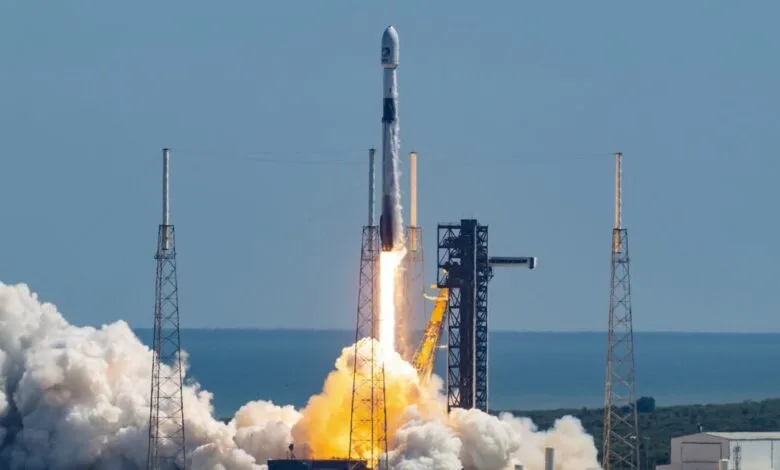
To mitigate delays caused by the Vulcan incident, Amazon is now fast-tracking several Falcon 9 launches purchased from SpaceX. An official confirmed to Ars Technica that the company is accelerating these flights to maintain its build-out schedule. The next Falcon 9 mission for Amazon Leo has been moved up to December, replacing an originally scheduled launch date in the following year. Additional Falcon 9 missions are planned to follow in rapid succession, ensuring a steady stream of new satellites enter low-Earth orbit.
Strategic Shifts in Launch Contracts
When Amazon began securing launch services five years ago, it adopted a diversified strategy, signing contracts for 108 flights across all available medium and heavy-lift rockets in the Western market. The goal was to deploy a massive fleet of 3,232 satellites. As of Tuesday, only 17 of those contracted flights have been completed, with one resulting in a mission failure. The initial contract portfolio included capacity from ULA, Europe’s Arianespace, and Blue Origin. However, nearly all these agreements relied on rockets that were still in development at the time of signing, including ULA’s Vulcan, Ariane 6, and Blue Origin’s New Glenn.
Development hurdles have impacted each vehicle differently. Blue Origin’s New Glenn has been grounded since May following an explosion on its Florida launch pad. Meanwhile, ULA’s Vulcan remains sidelined for months due to the malfunction during the November 15 mission that carried Amazon satellites. These disruptions have forced Amazon to pivot quickly toward more reliable or available alternatives, such as increasing reliance on SpaceX’s proven Falcon 9 system, despite the competitive tension posed by SpaceX’s own Starlink network.
(Source: Ars Technica)