Rivian Spinout Also Ditched E-Moto Project in Kenya

▼ Summary
– Also, a micromobility startup spun out of Rivian, abandoned an electric two-wheeler pilot project in Kenya to prioritize its core ambitions in consumer e-bikes and autonomous vehicles.
– The project was initially supported by grant funding from the Shell Foundation with the goal of de-risking global OEM entry into Africa’s EV market through locally integrated platforms.
– Also co-founder Chris Yu stated that the decision to walk away was driven by the urgency and pace required for developing small autonomous vehicles in partnership with DoorDash.
– The African mobility sector shows significant growth potential, highlighted by Spiro’s operation of over 130,000 electric motorcycles across seven countries and extensive battery infrastructure.
– The Shell Foundation removed project details from its website citing nondisclosure agreements, while confirming the grant would continue to support ongoing development efforts despite Also’s reduced involvement.
Also, the micromobility startup that spun out of Rivian in 2025, has abandoned an electric two-wheeler pilot project in Kenya. The company made this strategic pivot earlier this year to concentrate its resources on its primary goals: developing consumer e-bikes and autonomous vehicles. TechCrunch learned that the initiative, which had secured grant funding from the Shell Foundation, was quietly terminated after Only early-stage work was completed.
The Shell Foundation, an independent charity backed by British oil and gas giant Shell plc, originally supported the project to help de-risk entry into Africa’s electric vehicle market. A now-removed section of the foundation’s website stated the goal was to pilot a locally integrated electric two-wheeler platform in Kenya with plans to scale across East Africa. The plan involved creating modular battery designs, distributed charging infrastructure, and a purpose-built motorcycle tailored for African riders. This sector holds significant potential, evidenced by African mobility firm Spiro, which recently reported operating over 130,000 electric motorcycles across seven countries alongside 2,500 battery-swapping stations. The rapid growth in the region has attracted substantial investment from Chinese mobility firms and other international backers.
In a September email, Also informed TechCrunch that it had explored the partnership but chose to prioritize its core roadmap. While the company noted that the Shell Foundation grant would continue to support the project’s development, it provided no further details. The Shell Foundation declined to elaborate further, citing a nondisclosure agreement with Also. Shortly after these communications, the project page vanished from the foundation’s website.
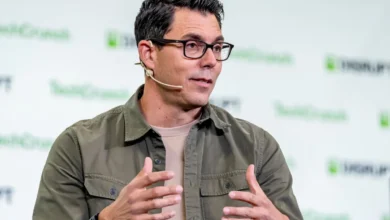
Chris Yu, co-founder and president of Also, explained during an interview at TechCrunch Disrupt that the Kenya pilot aligned with the company’s mission to create cost-optimized, purpose-built vehicles. However, he stated that other initiatives took precedence, particularly the development of small autonomous vehicles in partnership with DoorDash.
“We piloted and ultimately decided, largely because of just urgency and pace around autonomy, frankly, that our attention would be best, in the near term, served fully focused” on that, Yu said. He added that he believes there is a “high chance that autonomy will show up first, and at a broader scale in these types of purpose-built smaller vehicles than at scale in passenger vehicles.”
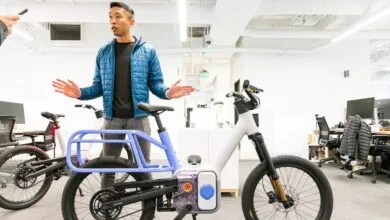
This decision comes during a challenging first year of independence for Also. Supply chain disruptions forced multiple delays in the delivery of its flagship product, the premium e-bike known as the TM-B. Frustrated customers who had placed reservations faced long waits with little communication from the company. Leadership has since acknowledged that this silence was a significant error.
“I think we did a pretty poor job communicating to our reservation holders through the summer when they were all waiting, and we got called out for that,” Yu admitted. “But I think it’s actually great. It’s really hard to earn the opportunity for people to care, and to tell us what they think, and to help us improve.”
Recovering the launch trajectory of the TM-B is critical for Also, which aims to expand beyond consumer bikes into commercial cargo solutions for major clients like Amazon. These ventures represent larger revenue streams, but the TM-B remains the most visible product to the public. Its distinctive design has generated considerable interest, even as the company navigates production hurdles.
Yu described the delay not as the result of a single issue, but rather a series of supply chain challenges. He likened the experience to playing Whac-A-Mole, noting the complexity of the TM-B, which he described as a “kind of a computer on wheels.” At times, Also competed for raw materials used in AI data center circuit boards. Other delays stemmed from navigating complex certification requirements across various government agencies.
“The entire team is like running at a million miles an hour to get these things produced and shipped to customers, and then it’s also really dynamic as well,” Yu said. “I think what we could have done better is just [say], straight up: ‘We’re chasing down these things, we’ll have an update shortly.’”
Although initial communication was lacking, Also has improved its transparency, earning some positive feedback from users on Reddit. The company must now maintain this goodwill as it addresses inevitable issues with its first product. Early adopters have already reported problems, including damage during shipping and noticeable battery drain.
(Source: TechCrunch)