GM doubles down on EVs and autonomy, rejecting ‘Malaise 2.0’
▼ Summary
– GM is emphasizing its commitment to electrification, autonomy, and vehicle quality despite criticism of US automakers’ slow EV adoption.
– At the GM Forward event, executives announced that hands-off Super Cruise technology will expand across nearly all vehicle lineups, including pickups and crossovers.
– GM is testing autonomous features extensively, aiming for vehicles that can perform tasks beyond simple transportation to enhance daily convenience.
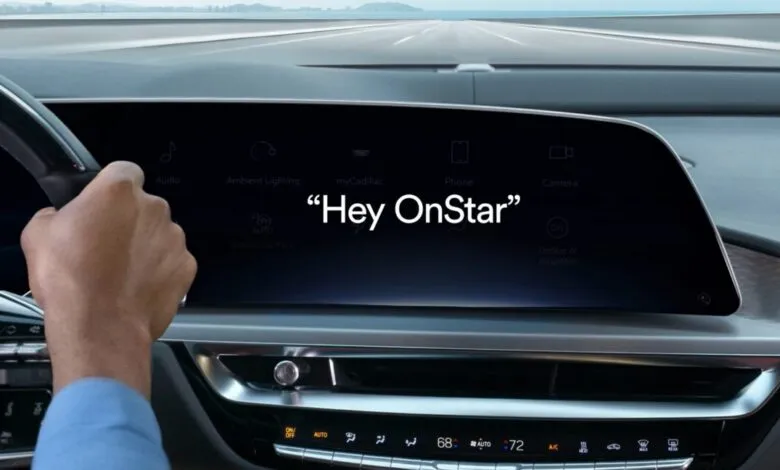
– The company introduced OnStar AI, which integrates personal data to offer proactive services like ordering takeout before arriving home.
– Executives argue that these advancements transform cars into helpful tools rather than just modes of transport, improving user experience significantly.
General Motors is intensifying its commitment to electrification and autonomous driving, explicitly rejecting the notion that the US automotive sector is slipping into a new era of stagnation. While critics point to the tepid adoption of electric vehicles (EVs) among American manufacturers and the expiration of federal tax incentives as signs of retreat, GM leadership insists the company remains steadfast in its long-term strategic goals. These objectives include reducing development cycles, enhancing vehicle quality, and expanding self-driving capabilities across its entire portfolio.
At the recent GM Forward event, executives unveiled plans to significantly broaden the availability of Super Cruise, the hands-off, eyes-off driver assistance technology. Previously highlighted primarily with premium models like the Escalade IQ, this feature will now roll out to nearly every vehicle in the brand’s lineup, including popular pickup trucks and crossovers. To ensure safety and reliability during this expansion, GM reports that it is currently testing the system for approximately 1 million miles (1.6 million km) each month, combining both virtual simulations and real-world road data.
Sterling Anderson, GM’s head of product, emphasized that the vision extends beyond mere transportation. He described a future where vehicles are not just tools for moving from point A to point B, but proactive assistants capable of performing tasks independently. This concept may initially sound dystopian to some observers, but Anderson argues that recognizing the full potential of connected cars reveals a landscape of unprecedented convenience. He clarified that this is not about creating standalone robots for household chores, but rather integrating intelligent functionality into a daily-use tool that anticipates user needs.
Central to this ecosystem is the newly announced OnStar AI. Anderson illustrated the practical application of this technology with a scenario involving a busy professional returning home after a late shift. In this example, the vehicle would recognize the driver’s habits and recent interactions, such as frequenting a specific restaurant. The car could then proactively prompt the driver and even place a takeout order, ensuring the food is ready for pickup upon arrival. This level of integration aims to transform the automobile from a passive machine into an active partner in managing daily logistics.
(Source: Ars Technica)