Meta’s Facial Recognition Glasses Pose Risk to Sexual Assault Victims
▼ Summary
– A coalition of over 70 advocacy groups is demanding Meta abandon its “Name Tag” face recognition feature for smart glasses, warning it could enable stalking, abuse, and government surveillance.
– Internal documents show Meta reportedly planned to launch the feature during a “dynamic political environment” to avoid scrutiny from resource-strapped civil society groups.
– The proposed feature would use AI to identify people via the glasses, with engineers considering versions for personal contacts or any public Meta profile.
– The coalition argues the technology fundamentally violates public anonymity, as bystanders cannot consent to being identified, and safeguards cannot resolve the core threat.
– The groups also demand Meta disclose any known misuse of its wearables and any discussions with federal law enforcement agencies about using the devices or their data.
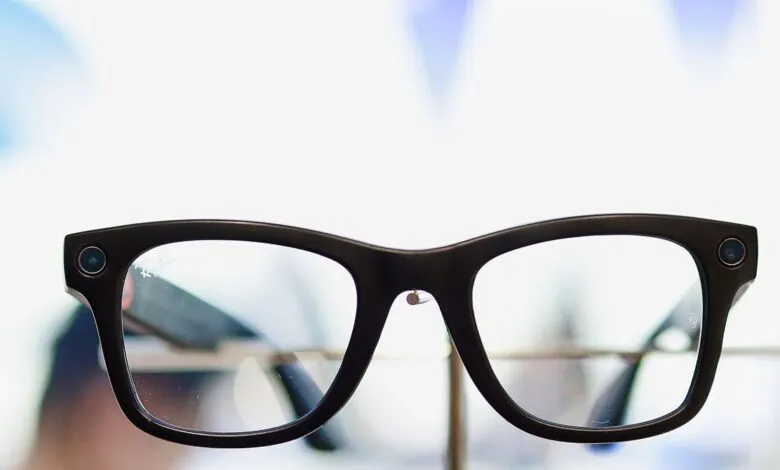
A broad coalition of over 70 advocacy groups is demanding that Meta immediately abandon its plans to integrate facial recognition technology into its Ray-Ban and Oakley smart glasses. The organizations, spanning civil liberties, domestic violence, and digital rights sectors, warn that the feature, internally called “Name Tag,” would create unprecedented risks for public safety and personal privacy. They argue it would effectively arm stalkers, abusers, and government agents with a tool for the silent, non-consensual identification of strangers in any public setting.
Internal documents, first reported earlier this year, reveal Meta’s strategy to launch this controversial feature during a “dynamic political environment,” calculating that watchdog groups would be too distracted by other pressing issues to mount an effective opposition. The coalition has condemned this planned rollout as “vile behavior,” accusing the company of exploiting political turmoil and a climate of rising authoritarianism to push through a dangerously invasive product.
The proposed Name Tag system would operate through the AI assistant built into the glasses. Wearers could theoretically pull up information on individuals within their field of view. While engineers have reportedly debated a limited version that only identifies a wearer’s existing social connections, a broader iteration could recognize any person with a public profile on Meta platforms like Instagram. In a letter to CEO Mark Zuckerberg, the coalition asserts that the fundamental nature of real-time facial recognition in consumer wearables makes the threat impossible to mitigate through design tweaks or opt-out settings. Bystanders have no practical way to consent to being scanned and identified, effectively destroying the concept of anonymity in public spaces.
The groups are calling for more than just the feature’s cancellation. They urge Meta to disclose any known cases where its existing wearables have been weaponized in stalking, harassment, or domestic abuse situations. They also demand transparency around any discussions with federal law enforcement agencies, including Immigration and Customs Enforcement (ICE), regarding the use of wearable data. A further stipulation is that the company must commit to consulting independent privacy experts before ever integrating biometric identification into a consumer device.
The potential for abuse is vast. As the coalition’s letter states, people should not have to fear that their identity could be silently verified by anyone from a political activist to a federal agent while visiting a medical clinic, attending a support group, or participating in a protest. This capability could link a person’s name to a trove of available data about their relationships, health, and habits without their knowledge.
Separately, the Electronic Privacy Information Center (EPIC) has petitioned the Federal Trade Commission and state regulators to investigate and block Name Tag. EPIC warns the feature would compound the “already serious and apparently unlawful” privacy risks posed by the current generation of smart glasses, which can already record video covertly. The addition of real-time identification would represent a fundamental shift, turning an ordinary walk down the street into a scenario where every face could be instantly cataloged and matched against a corporate database. Neither Meta nor its manufacturing partner, EssilorLuxottica, provided immediate comment on these demands.
(Source: Wired)