Sam Altman Addresses New Yorker Article After Home Attack

▼ Summary
– OpenAI CEO Sam Altman responded to a Molotov cocktail attack on his home and a critical New Yorker profile in a blog post.
– A suspect was arrested at OpenAI’s headquarters after the attack, which caused no injuries.
– The investigative profile, based on over 100 interviews, portrayed Altman as having a “relentless will to power” and raised questions about his trustworthiness.
– Altman admitted to mistakes, including being conflict-averse and handling his 2023 board conflict poorly, which hurt the company.
– He criticized the competitive “ring of power” dynamic in AI and advocated for broadly sharing AGI technology instead of controlling it.
In a late-night blog post on Friday, OpenAI CEO Sam Altman addressed a deeply unsettling personal incident and the fallout from a major investigative profile. The post came hours after an individual allegedly threw a Molotov cocktail at Altman’s San Francisco home. Authorities reported no injuries and later arrested a suspect at OpenAI’s headquarters, where he was reportedly threatening to burn down the building. Altman connected the attack to the recent publication of what he called an “incendiary article” by The New Yorker, suggesting its timing during a period of intense public anxiety about AI may have contributed to a dangerous climate.
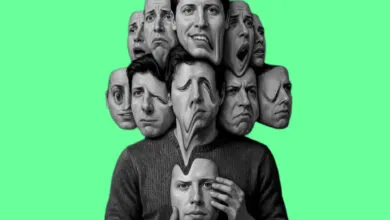
“I brushed it aside,” Altman wrote regarding warnings that the article could make him a target. “Now I am awake in the middle of the night and pissed, and thinking that I have underestimated the power of words and narratives.” The profile, authored by Pulitzer winner Ronan Farrow and journalist Andrew Marantz, drew on interviews with over one hundred sources. It presented a portrait of a leader distinguished by a relentless will to power, with numerous individuals questioning his fundamental trustworthiness. One anonymous former board member described a combination of a desire to be liked with a “sociopathic lack of concern” for the consequences of deception.
Responding to the characterization, Altman admitted to a “bunch of mistakes” in his career. He pointed specifically to a tendency toward being conflict-averse, which he said has caused significant pain for both him and OpenAI. He expressed regret over his handling of the conflict with our previous board in 2023, an event that led to his brief ouster and chaotic reinstatement as CEO. “I am a flawed person in the center of an exceptionally complex situation, trying to get a little better each year,” he stated, adding an apology to people he has hurt.
Altman also reflected on the intense rivalries within the AI industry, attributing them to a ‘ring of power’ dynamic that drives irrational behavior. He clarified that he does not see artificial general intelligence itself as the ring, but rather the destructive philosophy of seeking exclusive control over it. His proposed antidote is a commitment to sharing the technology broadly, ensuring no single entity holds ultimate power.
He concluded by welcoming substantive critique while calling for a collective de-escalation. “While we have that debate, we should de-escalate the rhetoric and tactics and try to have fewer explosions in fewer homes, figuratively and literally,” Altman wrote, reaffirming his belief that technological progress can create a vastly improved future for everyone.
(Source: TechCrunch)