NASA’s Artemis Crew Begins Moon Mission
▼ Summary
– The Orion spacecraft performed a critical engine burn to set its crew on a free-return trajectory around the Moon, marking a point of no return.
– This mission represents the first time humans have left low-Earth orbit since the final Apollo mission in 1972.
– The engine burn occurred a day after launch and is the last major one needed for the planned lunar flyby and return to Earth.
– NASA officials expressed high satisfaction with the mission’s progress and the performance of the spacecraft’s life support systems.
– The crew conducted initial system checkouts, resolving a minor issue with the spacecraft’s toilet during the process.
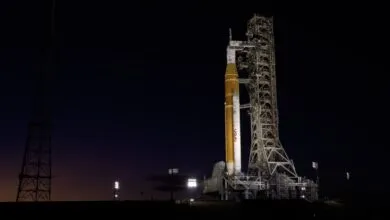
For the first time in more than five decades, a crew of astronauts has ventured beyond low-Earth orbit, embarking on a historic journey around the Moon. This milestone, achieved by NASA’s Artemis II mission, represents a monumental step in returning humans to deep space. The critical maneuver, known as a translunar injection burn, was executed flawlessly by the Orion spacecraft’s main engine, committing the four-person crew to a path that will carry them around the lunar far side.
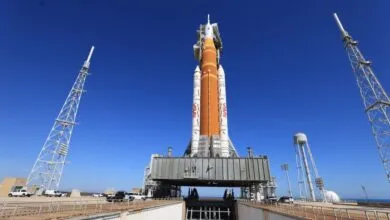
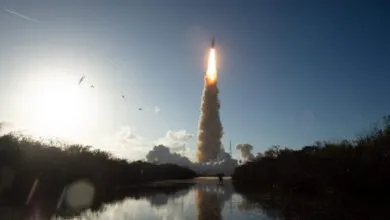
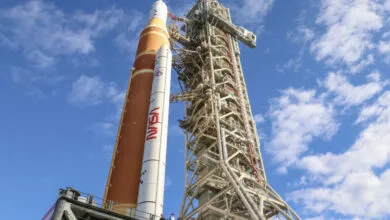
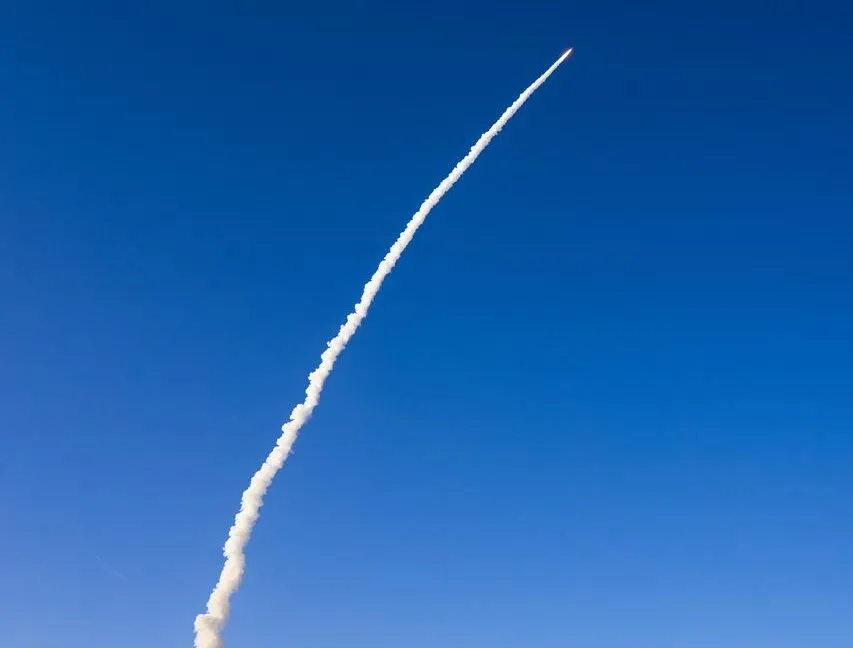
Most of the world’s population has never seen such an event. The last human mission to leave Earth’s immediate vicinity was Apollo 17 in 1972, making this a generational moment. The successful engine firing, lasting nearly six minutes, occurred a day after a powerful launch on the Space Launch System rocket from Kennedy Space Center. This burn sets the spacecraft on a free-return trajectory, ensuring it will use the Moon’s gravity to slingshot back toward Earth for a planned splashdown in the Pacific Ocean.
Following a launch day packed with system checks, the crew conducted thorough verifications of Orion’s critical systems. NASA officials reported that the life support systems, including carbon dioxide scrubbers and water management, performed exceptionally well. A minor issue arose during the initial activation of the onboard toilet, which required a specific “wetting” procedure to prime its pump. After troubleshooting, the crew added more water and resolved the problem.
The crew, consisting of commander Reid Wiseman, pilot Victor Glover, mission specialist Christina Koch, and Canadian astronaut Jeremy Hansen, has now settled into the rhythm of their multi-day voyage. Their mission profile will see them flying around the Moon before beginning the return leg to Earth. NASA’s leadership expressed high confidence in the mission’s progress. “Things are going really well right now,” stated Lori Glaze, NASA’s director of planetary science. “I don’t think we could be more pleased.”
(Source: Ars Technica)