PlayStation Prices Rise Again Due to Tariffs and Shortages
▼ Summary
– Sony is increasing the price of the PS5 by $100 in the U.S., marking the second price hike in under a year.
– The price increases also apply to the PS5 Digital Edition, the PS5 Pro, and other regions including the United Kingdom, Europe, and Japan.
– The company cites global economic pressures, including U.S. tariffs and supply bottlenecks from the war in Iran, as reasons for the change.
– A key supply chain issue involves Qatar’s reduced helium exports, which is essential for semiconductor manufacturing, following an attack on a gas facility.
– By next week, the PlayStation’s cost will be approximately 30% higher than it was at the same time last year.
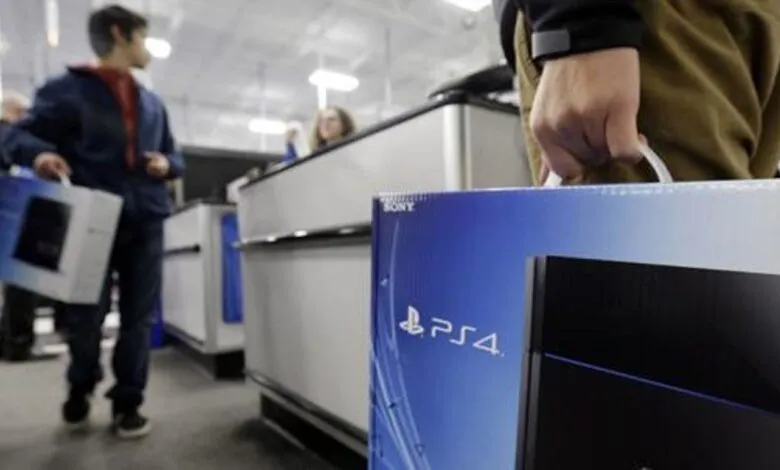
For the second time in under a year, Sony is increasing the cost of its PlayStation 5 console. Starting next Thursday, the standard model will see a $100 price increase, bringing its U.S. cost to $649.99. This move reflects the continued pressures in the global economic landscape that the company cited as the reason for the adjustment. The PS5 Digital Edition will also rise by $100 to $599.99, while the premium PS5 Pro model will increase by $150, reaching a new price of $899.99.
These hikes are not limited to the American market. Sony has implemented similar price increases across other major regions, including the United Kingdom, Europe, and Japan. By the end of next week, the cumulative effect of these adjustments means the cost of a PlayStation will be roughly 30% higher than it was at this time last year. The company previously raised prices by $50 last August, attributing that move to the impact of widespread U. S. tariffs on global trade.
The current geopolitical climate is applying further strain. The ongoing conflict in Iran, now in its fourth week, has severely disrupted energy and manufacturing supply chains. This has created a massive bottleneck for critical supplies, driving up costs for consumer electronics and many other goods. While Sony did not single it out, a recent attack on a Qatari natural gas export facility has compounded these issues. That facility’s shutdown threatens global helium supplies, a gas essential for manufacturing the semiconductors used in computer chips.
Qatar supplies approximately one-third of the world’s helium, according to the U. S. Geological Survey. The state-owned gas company announced the shutdown would cut helium exports by 14%. Analysts warn that a lower supply of helium will lead to higher prices, especially if the conflict persists for months. While commonly associated with party balloons, helium is a critical component in the production of a vast array of tech devices.
In a blog post addressing the community, Sony stated that after careful evaluation, this was a necessary step to ensure it can continue delivering innovative, high-quality gaming experiences worldwide. The company acknowledged that price changes impact its community but framed the decision as essential for its long-term goals. This announcement follows a strong financial quarter for Sony, which reported an 11% profit surge to 377.3 billion yen ($2.4 billion) for the October-December period, leading it to raise its full-year profit forecast.
Sony’s main competitor, Microsoft, also increased prices for some versions of its Xbox console last September, citing changes in the macroeconomic environment. That adjustment occurred well before the outbreak of the current conflict, indicating that broader global economic pressures have been affecting the gaming industry for some time. The PlayStation brand itself marked its 30th anniversary in North America and Europe last year, navigating a market that continues to grow more complex and costly.
(Source: KOMO News)