Ampcus Cyber vs SISA: PCI DSS Compliance Comparison
▼ Summary
– Ampcus Cyber and SISA both offer PCI DSS compliance services to help organizations secure payment data and meet compliance requirements.
– Ampcus Cyber is suited for businesses seeking comprehensive security solutions beyond just compliance.
– SISA focuses specifically on PCI DSS compliance and related payment security services.
– The article compares the two providers for organizations selecting a PCI DSS compliance partner.
– Both services aim to assist with securing payment data and achieving compliance standards.
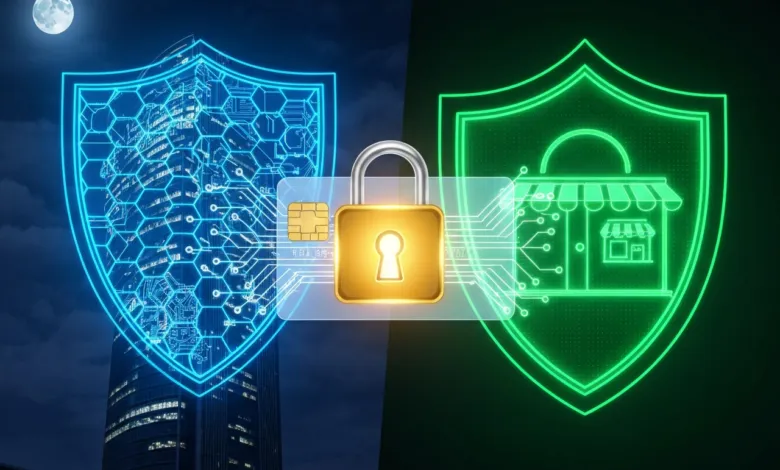
When evaluating PCI DSS compliance services, two names frequently surface: Ampcus Cyber and SISA. Both firms aim to help organizations safeguard payment card data while navigating the complex requirements of the Payment Card Industry Data Security Standard. However, their approaches, target audiences, and service structures differ in meaningful ways.
Ampcus Cyber positions its offerings primarily for large enterprises and mid-market organizations that require a comprehensive, end-to-end compliance solution. Their services often include gap analysis, policy development, vulnerability scanning, penetration testing, and on-site assessment support. The company emphasizes a risk-based methodology, helping clients prioritize security controls based on their unique threat landscape. For businesses managing high transaction volumes or operating across multiple regions, Ampcus Cyber’s scalable framework can be a strong fit. They also provide continuous monitoring and remediation guidance, which is critical for maintaining compliance between audit cycles.
SISA, on the other hand, has built a reputation for specialized expertise in payment security, particularly for smaller businesses and niche sectors like e-commerce, hospitality, and retail. Their core offerings include SAQ (Self-Assessment Questionnaire) assistance, ASV (Approved Scanning Vendor) scanning, and training programs for internal teams. SISA is known for its practical, hands-on approach, often guiding clients through the validation process step by step. This makes them particularly attractive for organizations with limited internal security resources. They also offer remediation services to address identified vulnerabilities before a formal assessment.
A key differentiator lies in certification scope. Ampcus Cyber typically supports clients pursuing full Level 1 compliance (for merchants processing over 6 million transactions annually) as well as lower levels. SISA tends to focus more on Level 2, 3, and 4 merchants, though they can handle Level 1 engagements with additional planning. Both providers are Qualified Security Assessors (QSAs) recognized by the PCI Security Standards Council, ensuring their assessments carry official weight.
Cost is another consideration. Ampcus Cyber’s pricing often reflects its comprehensive service model and enterprise-grade tools, which can be a significant investment. SISA’s fee structure is generally more transparent and tiered, making it easier for smaller organizations to budget. However, clients should note that SISA’s narrower focus may require them to engage additional vendors for services like network segmentation design or incident response planning, which Ampcus Cyber bundles into its packages.
Ultimately, the choice between these two firms hinges on organizational size, transaction volume, internal expertise, and budget. A large retailer with a dedicated security team might find Ampcus Cyber’s integrated platform more efficient. A small online merchant seeking straightforward guidance and affordable scanning could prefer SISA’s streamlined service and educational support. Both companies deliver PCI DSS compliance reliably, but their distinct strengths mean the best fit depends on the specific compliance journey a business is undertaking.
(Source: BleepingComputer)