Huawei Executive: HarmonyOS Optimized to Run on 64KB RAM for a Year
▼ Summary
– The U.S. ban forced Huawei to stop using Android, limiting its smartphone market to China.
– Huawei introduced HarmonyOS, a microkernel-based platform that can run on as little as 128KB of RAM.
– The company plans to further optimize HarmonyOS to run on just 64KB of RAM for IoT devices.
– A Huawei executive claimed HarmonyOS could run on a single dry cell battery for an entire year in an IoT device.
– Huawei is also developing LogicFolding chip architecture to boost density and clock speeds without EUV equipment.
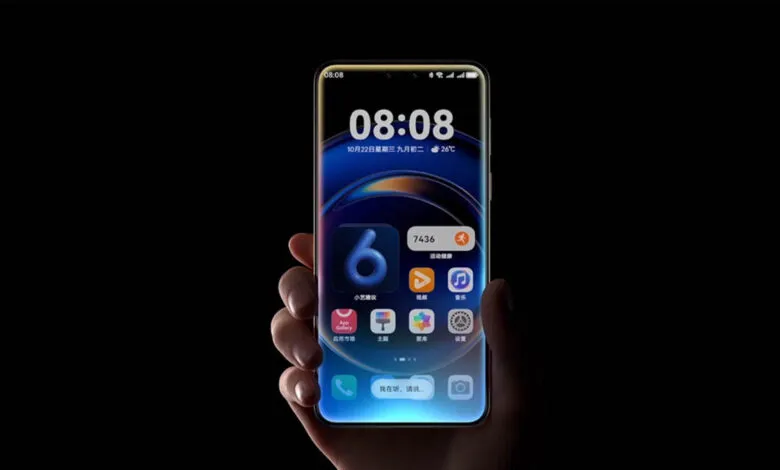
The U.S. trade restrictions forced Huawei into a strategic pivot. Once on track to become the world’s largest smartphone maker, the company now finds its Android access blocked outside of China. Rather than surrender, Huawei developed HarmonyOS, a microkernel-based platform designed for versatility across product categories. During a recent company keynote, an executive revealed a startling capability: the operating system can be optimized to run on just 64KB of RAM , less than a single megabyte.
Currently, HarmonyOS operates efficiently on a mere 128KB of memory, and further optimizations are underway. At the Huawei Developer Conference 2026, Yu Chengdong noted that the system’s memory efficiency stands in stark contrast to memory-hungry platforms like Windows and Android. This deliberate design choice serves one primary goal: expanding the HarmonyOS ecosystem.
Future plans push the boundary even lower. Huawei intends to optimize HarmonyOS for 64KB of RAM, enabling it to power IoT devices with extreme efficiency , a level of performance that smartphones and tablets cannot match. The executive claimed that, in such low-power applications, HarmonyOS could run for an entire year on a single dry cell battery, illustrating its potential in battery-constrained environments.
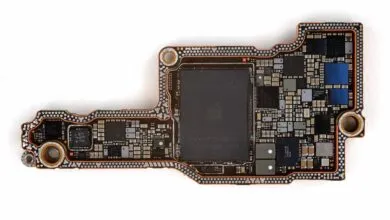
Beyond software, Huawei is advancing its chip technology with a novel packaging architecture called LogicFolding. This approach aims to boost chip density and increase clock speeds, delivering significant performance gains without relying on expensive EUV lithography equipment. By leveraging existing DUV machinery alongside HarmonyOS, Huawei seeks to introduce a completely new ecosystem to the global market.
(Source: Wccftech)