Anthropic Partners With SpaceX as AI Race Shifts
▼ Summary
– Anthropic and SpaceXAI (the merged entity of SpaceX and xAI) signed an agreement for Anthropic to use computing resources from xAI’s Colossus 1 supercomputer in Memphis, Tennessee.
– SpaceXAI is seeking to go public as soon as next month, and the partnership with Anthropic could bolster investor confidence in its data center projects, including orbital AI compute capacity.
– Elon Musk previously criticized Anthropic’s AI models as “misanthropic” and “evil,” but later praised the team after spending time with them.
– Colossus 1, built in 122 days, contains roughly 220,000 Nvidia GPUs and is one of the largest AI supercomputers, but its gas turbine emissions have prompted local complaints and protests.
– Anthropic will use the additional computing power to improve capacity for Claude Pro and Claude Max subscribers, addressing service disruptions caused by high demand.
Anthropic has entered into a strategic agreement with Elon Musk’s SpaceX, the companies announced Wednesday, securing access to computing resources from xAI’s data center in Memphis, Tennessee. This deal marks the latest collaboration in an industry scrambling to secure enough computational power for complex AI software. Earlier this year, SpaceX and xAI merged into a single entity owned by Musk, now called SpaceXAI.
The announcement came during Anthropic’s annual developer conference in San Francisco, where executives detailed the partnership on stage. SpaceXAI also published a blog post outlining the arrangement, which grants Anthropic access to the Colossus 1 supercomputer, one of the largest and fastest AI supercomputers globally, boasting roughly 220,000 Nvidia GPUs including H100, H200, and newer GB200 chips.
This partnership arrives at a critical moment for SpaceXAI as it prepares for an initial public offering as soon as next month. A relationship with a leading AI lab like Anthropic could strengthen SpaceXAI’s credibility with investors, especially as it pitches the potential of establishing more data centers, including orbital AI compute capacity in space. The blog post noted that Anthropic has “expressed interest” in collaborating on such space-based computing projects, which could help reassure investors that there will be demand for SpaceXAI’s expensive supercomputing ambitions.
The deal represents a significant shift in tone from Musk, who earlier this year criticized Anthropic’s AI models on X, calling the company’s policies “misanthropic” and “evil,” and alleging without evidence racial and sexual biases. Now, Musk has changed his stance entirely, writing on X that he “spent a lot of time last week with senior members of the Anthropic team to understand what they do to ensure Claude is good for humanity and was impressed.”
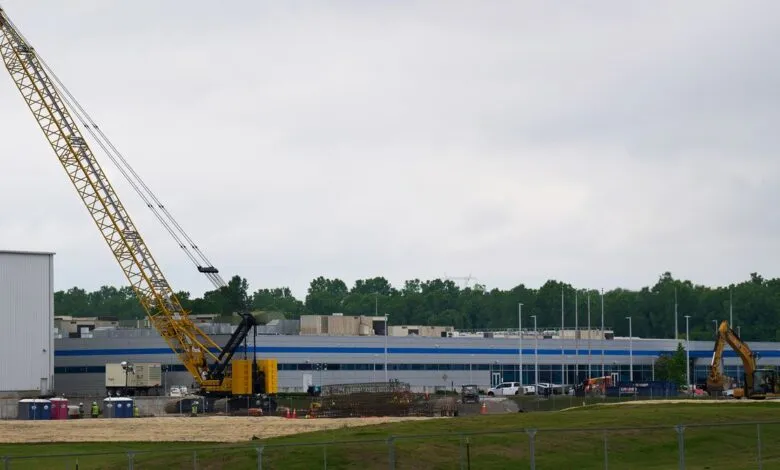
SpaceXAI first broke ground on Colossus 1 in 2024 on a former Electrolux site in Memphis, completing construction in just 122 days. However, the facility has faced backlash from local residents over emissions from gas turbines, and environmental protesters demonstrated at a nearby SpaceX investor gathering last month ahead of the IPO.
For Anthropic, the increased computing power will directly improve capacity for Claude Pro and Claude Max subscribers, with access to more than 300 megawatts of new capacity. This comes as software developers increasingly complain about rate limits and service disruptions to Claude Code, driven by physical limits on available computing resources. The average developer now spends at least 20 hours per week running Claude Code, according to Anthropic.
The deal adds to Anthropic’s already massive computing commitments. Yesterday, The Information reported that Anthropic had committed to spend $200 billion on Google’s AI cloud services and TPU chips. The company has also used Amazon’s cloud computing services and AI chips since 2023, and last month committed “more than $100 billion over the next ten years to [Amazon] technologies.” According to The Information, contracts with Anthropic and OpenAI now account for more than half of the $2 trillion in backlogs at major cloud providers like Amazon, Microsoft, and Google.
(Source: Wired)