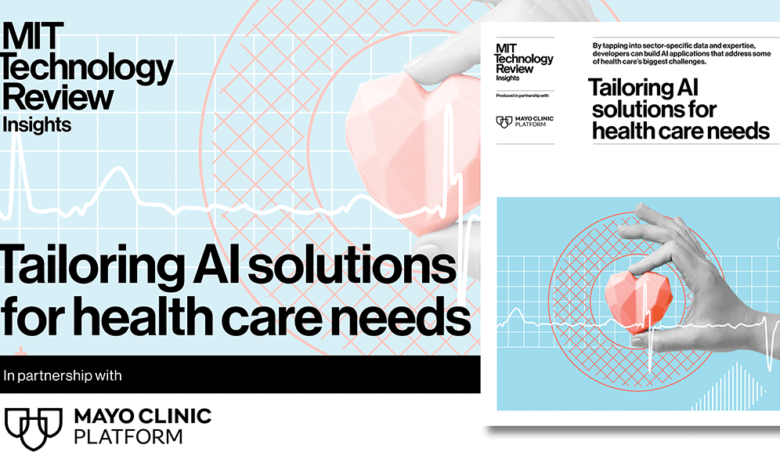
AI Tailoring Healthcare Solutions for Better Patient Outcomes
▼ Summary
– AI developers are targeting healthcare due to its financial pressures, labor shortages, and aging population needs.
– The AI market makes grand promises of transformation in the healthcare sector.
The AI healthcare market is brimming with ambitious promises of sweeping change. And for good reason: the medical industry is grappling with intense financial strain, persistent labor shortages, and the escalating demands of an aging population. Developers are zeroing in on functional solutions to address these deep-rooted challenges.
Tailored AI applications are now moving beyond theoretical hype to deliver measurable improvements in patient outcomes. Instead of one-size-fits-all algorithms, the focus has shifted to personalized treatment plans that leverage real-time data from electronic health records, wearable devices, and genomic profiles. This precision allows clinicians to predict disease progression, optimize medication dosages, and reduce hospital readmission rates.
Operational efficiency is another critical area where AI is making a tangible difference. Automated scheduling systems, natural language processing for clinical documentation, and predictive analytics for patient flow are freeing up valuable time for healthcare professionals. By automating routine administrative tasks, AI helps alleviate burnout and allows doctors and nurses to focus on direct patient care.
The financial pressure on healthcare systems remains immense. AI-driven tools are now being deployed to identify billing errors, streamline supply chain management, and forecast resource allocation. These capabilities can significantly cut costs while maintaining or even improving the quality of care.
However, the path to widespread adoption is not without hurdles. Concerns around data privacy, algorithmic bias, and regulatory approval still loom large. Developers must ensure their models are transparent, equitable, and secure to earn the trust of both providers and patients.
Ultimately, the most successful AI solutions will be those that seamlessly integrate into existing clinical workflows, augmenting human expertise rather than replacing it. As the technology matures, the emphasis is shifting from grand promises to proven results , better health outcomes, lower costs, and a more sustainable healthcare system for the future.
(Source: MIT Technology Review)