Microsoft Surface Laptop to get OLED display
▼ Summary
– Microsoft will launch new Surface Pro and Surface Laptop models with both Intel and Qualcomm chip variants in the coming months.
– The launch will begin with Intel Core Ultra models, followed by Qualcomm Snapdragon X2 variants later due to chip supply constraints.
– The new devices will start with 16GB of RAM and 256GB of storage, positioning them as premium products rather than budget competitors.
– The Surface Laptop will offer an OLED display option, but only on its high-end configurations.
– Upcoming Surface models will feature an upgraded haptics system for tactile feedback during specific Windows 11 actions.
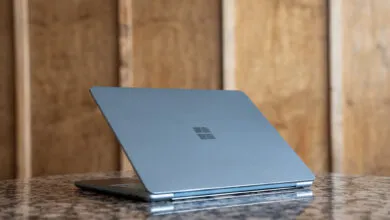
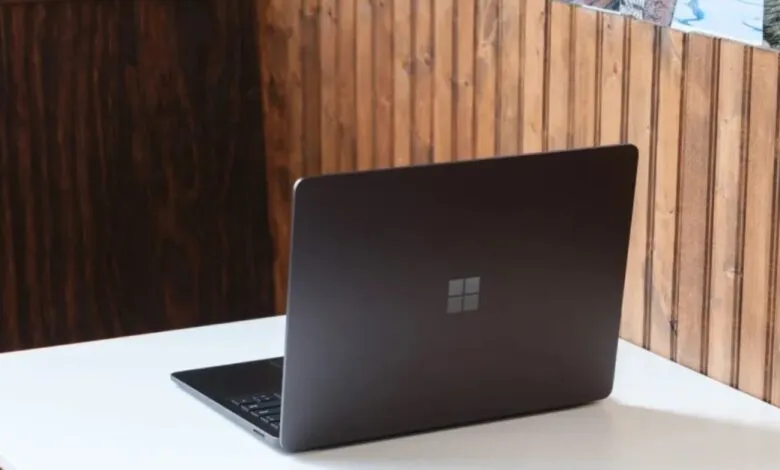
Microsoft is poised to introduce significant updates to its Surface Pro and Surface Laptop lineups in the near future. According to industry reports, the upcoming refresh will feature models powered by both Intel and Qualcomm processors, with a notable shift toward offering an OLED display for the Surface Laptop. This marks a substantial visual upgrade for the premium laptop series.
The launch strategy is expected to unfold in two phases. Devices equipped with Intel Core Ultra 3 chips are anticipated to debut first, followed later in the summer by variants running on Qualcomm Snapdragon X2 silicon. This sequencing reportedly stems from supply constraints for the latest Qualcomm processors. It represents a reversal from Microsoft’s recent pattern of prioritizing consumer releases with Qualcomm-powered Surfaces.
Despite recent market volatility affecting memory pricing for current models, the new generation is likely to standardize with a baseline of 16GB of RAM and 256GB of storage. These specifications reinforce the devices’ position in the premium segment, rather than targeting a budget-conscious market.
The coveted OLED screen technology will not be universal across the new Surface Laptop range. Reports indicate it will be reserved for high-end models, with entry-level configurations continuing to use IPS panels. Some variants may also receive a bump in screen resolution, enhancing the visual experience further.
Beyond the display, Microsoft is said to be enhancing the haptics system in its forthcoming hardware. This upgrade aligns with recent Windows 11 developments that introduce tactile feedback for specific user interactions. Compatible input devices will provide physical sensations during actions like aligning objects in PowerPoint, snapping windows, or hovering over interface buttons, creating a more immersive and responsive user experience.
Given Microsoft’s historical cadence for hardware announcements, official details on these refreshed Surface models could emerge as early as May or June.
(Source: The Verge)