How Whoop’s New Feature Monitors Testosterone Levels
▼ Summary
– The Whoop AI coach recommended ways for the editor-in-chief to improve his “not sick” testosterone levels, highlighting its performance-optimization focus.
– Whoop raised $575 million, increasing its valuation to $10.1 billion, and is preparing for an IPO while suing a startup for alleged design copying.
– The author finds the redesigned Whoop MG remains a sometimes frustrating wearable that primarily makes sense for athletes, not a general audience.
– A new wearable hype cycle is emerging, where companies promote AI and specialized data to offer personalized health control and longevity predictions.
– The author expresses concern that this cycle can lead to unhelpful or harmful advice, erode trust in evidence-based medicine, and fuel wellness trends like testosterone supplementation.
The health tech landscape is currently dominated by a single, pervasive question: how can we optimize ourselves? This pursuit has fueled a new generation of wearables that promise not just to track, but to transform. Recently, a colleague shared a curious notification from his Whoop band. Its AI coach had offered him several methods to dramatically boost his testosterone. The recommendation wasn’t based on a deficiency, but on the premise that his levels were merely “not sick,” with the device pushing for peak performance. The absurdity of the suggestion was immediately clear, yet it perfectly illustrates a broader shift in the industry.
This moment coincided with Whoop announcing a massive $575 million funding round, elevating its valuation to $10.1 billion. With backers like the Mayo Clinic and LeBron James, the company is now preparing for an IPO. It’s a trajectory shared by its main rival, Oura. Both companies initially carved out a niche by focusing on recovery metrics and sleek, screen-free designs, appealing to professional athletes and a wellness-focused clientele. They moved beyond simple step counts to analyze sleep and physiological stress, positioning themselves as tools for serious optimization.
As larger players adopted similar recovery features, Whoop and Oura pivoted toward more advanced health innovations. This has created a recognizable wearable hype cycle. The pattern begins by promising users control over their health through data collection. To justify gathering more specialized data, companies inject AI coaching into the process. The AI then dispenses advice framed by the latest wellness trends, promising a personalized path to longevity. This cycle reinforces itself, leading to new scores predicting biological age and lifespan.
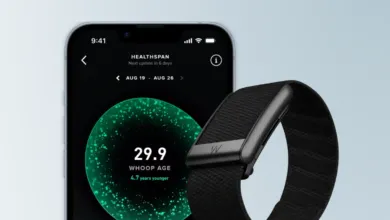
Whoop introduced its Whoop Age metric, while Oura developed features for illness detection and cardiovascular age. Both have formed partnerships for at-home blood testing, integrating the results into their platforms. This push for innovation sometimes outpaces regulation, as seen when Whoop received an FDA warning for a blood pressure feature. The regulatory environment is evolving, but the drive to launch new health metrics continues unabated.
The ripple effects of this cycle are becoming concerning. That testosterone recommendation brings to mind social media influencers peddling “testosteronemaxxing” and other dubious trends. It raises a critical question: how many people are pursuing extreme supplements or protocols based on similar algorithmic nudges? This extends beyond hormones to trends like obsessive protein intake or experimental peptides. Wearables, for all their data, lack human context. Personal experience underscores this gap. After months of addressing metabolic health with new medications, my own wearable data tells a frustrating story. My cardiovascular age has worsened, my Whoop Age says I’m older, and my watches alert me to a declining VO2 Max. I know these are temporary effects of necessary treatment, but the devices do not. They simply see deviation and sound alarms.
Trying to keep up with every wellness innovation baked into these platforms is an impossible task. This experience sheds light on a darker feedback loop. Widespread frustration with the healthcare system creates distrust in conventional medicine. Wellness grifters step into this vacuum, promoting wearables and questionable supplements as alternatives. As more people adopt these trends, wearable makers incorporate the features to stay relevant, further validating the ecosystem. The result can be a public increasingly skeptical of evidence-based care while eagerly surrendering blood, sweat, and urine data to tech companies.
The core issue isn’t the fault of any single company like Whoop or Oura. They are influential participants in a much larger system. The original promise of wearables was powerful: establish a baseline, detect deviations, and empower a visit to the doctor with concrete data. That vision is being supplanted by a new paradigm of constant, AI-driven optimization chasing an ever-moving target. For the average person, the path to genuine health is becoming obscured by a relentless cycle of scores, trends, and algorithmic advice that often misses the human element entirely.
(Source: The Verge)