Capcom confirms no generative AI in its games

▼ Summary
– Capcom has stated it will not use AI-generated assets in its video game content.
– The company plans to use AI technology to improve efficiency and productivity in its development process.
– Capcom is currently testing AI usage across various departments, including graphics, sound, and programming.
– The inclusion of AI-generated art in games is a debated topic, as shown by Pearl Abyss’s recent audit of its assets.
– Pearl Abyss confirmed some early-stage, experimental AI-generated props were unintentionally included in its final game release.
In a recent statement to shareholders, the video game publisher Capcom has made its position on generative AI clear. The company confirmed it will not integrate any AI-created assets into the actual content of its games. This firm stance provides a definitive answer to ongoing industry speculation and player concerns about the role of artificial intelligence in creative development.
However, Capcom is not dismissing the technology outright. The company clarified it is actively exploring AI to enhance development efficiency and productivity. Internal tests are reportedly underway across multiple departments, including graphics, programming, and sound design, to identify supportive applications that do not compromise artistic integrity. This balanced approach suggests a focus on using AI as a tool for workflow optimization rather than a replacement for human creativity.
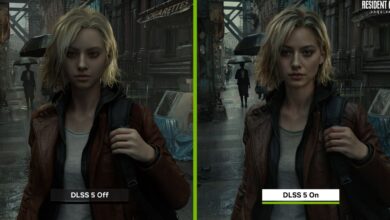
This shareholder clarification follows recent scrutiny. Earlier this month, a tech demo for Nvidia’s DLSS 5 featuring Resident Evil Requiem drew criticism for applying an artificial sheen to character models. Furthermore, last year a Capcom technical director acknowledged the studio had experimented with AI during early concept phases, specifically for generating background objects. The latest statement appears to refine and formalize those earlier exploratory efforts into a clearer company policy.
The issue of AI in game development continues to spark intense debate across the industry. Just yesterday, Pearl Abyss, the studio behind Crimson Desert, announced a comprehensive audit of its in-game assets. This action came after the “unintentional” inclusion of some AI-generated 2D art in its final release, a mistake the developer stated was not aligned with its internal standards. This incident highlights the practical challenges and ethical lines studios are navigating as these tools become more accessible.
Capcom’s current policy draws a distinct line, committing to human-crafted assets for its published games while cautiously leveraging AI’s potential behind the scenes. This position will likely be watched closely as the broader conversation about artificial intelligence and creativity evolves.
(Source: GamesIndustry.biz)