Vibe Coding: Fun Until You Need It to Work

▼ Summary
– The author tested Nothing’s “Essential Apps Builder,” a tool that lets users create simple AI-designed widgets for their phone’s home screen by describing them in plain language.
– While the tool is easy to use for basic widgets, like a water tracker or calendar, creating more complex widgets often resulted in bugs, limited functionality, and unreliable performance.
– The project is currently in early beta, with significant limitations on supported devices, widget sizes, and data connections, though more features are planned for the future.
– A major challenge is that the success of such an AI tool depends heavily on the user’s ability to articulate what they want, which the author found difficult despite the system’s apparent capability.
– The author concludes that while the vision of personalized, adaptable software is compelling, the current implementation feels more like a novelty and requires serious refinement to become a reliable tool.
The concept of vibe coding promises a future where anyone can create personalized smartphone tools using simple language, but the current reality reveals a significant gap between a novel idea and a truly functional product. After spending a week with Nothing’s Essential Apps Builder, the experience was a mix of intriguing potential and frustrating limitations. The smartphone maker’s vision for an adaptive, AI-driven software layer is compelling, yet the execution feels more like a promising experiment than a reliable tool for daily use. This leaves one wondering if it can evolve from a cool novelty into something indispensable without substantial refinement and a degree of user patience that may be hard to come by.
Nothing’s overarching ambition is an “AI-native operating system,” a layer designed to make devices feel more personal. While it’s technically an AI enhancement built atop Android, it serves as the foundation for what the company calls Essential, its umbrella term for all AI-related products. Within this ecosystem are Essential Apps, which are essentially AI-generated widgets for your home screen. A more accurate name might be “Essential Widgets,” given their limited scope and functionality.
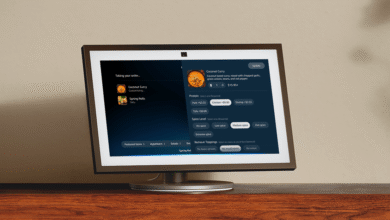
These widgets are crafted within the Apps Builder, housed in Nothing’s Playground app store. The premise is beautifully straightforward: you describe what you want in everyday language, the Builder creates it, and you send it to your phone. No coding knowledge is required, though the system may ask for clarification. If the first attempt misses the mark, which it often does, you can iterate on the design rather than starting over completely.
The real challenge, however, is building widgets you’d actually want to keep. Starting with simple requests yielded mixed results. A basic water-tracking widget that rewarded eight glasses with a smiley face was functional, if not visually polished. Pulling upcoming appointments from a connected Google Calendar was similarly straightforward. Creating a small mood widget that displayed a random smile emoji upon unlocking the phone was simple, and editing its color from yellow to blue was an easy, seamless process. All projects are stored and organized within Playground, allowing for easy updates or rollbacks.
Yet, more ambitious attempts quickly highlighted the platform’s current immaturity. A shopping list widget could only display a single item at a time, a severe limitation for its intended purpose. Text frequently appeared cut off in various widgets. A location-based weather widget failed entirely, instead showing forecasts for four example London locations I had provided during creation. The problems compounded with a Pomodoro timer widget that stopped counting down the moment the phone screen locked, rendering it useless. Troubleshooting proved ineffective, and even a simple photo widget designed to pull from the camera roll failed to work, with the Builder’s “fix with AI” button offering no solution.
Upon reflection, two core issues prevent this vision from being fully realized. The first stems from the product’s early beta status. The Builder is currently restricted to the Nothing Phone (3), supports only 2×2 and 4×2 widget sizes, and has limited integration, fully supporting only location, contacts, and calendar data. The company promises a future with broader functionality, including internet data fetching, media library access, and Bluetooth connectivity, along with more widget sizes and support for additional devices. A public launch is planned to foster a creator ecosystem where users can share and “remix” each other’s apps, though a firm timeline depends on achieving system stability and reliable permissions.
The second, more fundamental issue is user expectation and skill. Even with a capable system, the greatest hurdle is often knowing how to leverage it effectively. The Builder demonstrates clear potential, but users may struggle to articulate what they want or how to ask for it. An ecosystem built on intuitive “vibes” is a great concept, but sometimes intuition isn’t enough to bridge the gap between a clever idea and a tool that genuinely works.
(Source: The Verge)