Hidden Fungal Threads Stretch Beyond Our Solar System
▼ Summary
– Arbuscular mycorrhizal fungal networks span 110 quadrillion kilometers underground globally, enough to stretch almost a billion times the Earth-sun distance.
– These fungi exchange nutrients like phosphorus and nitrogen with plant roots for carbon, sequestering 1 billion tons of carbon annually.
– A new study led by SPUN mapped these networks globally for the first time using literature, soil samples, machine learning, and lab testing.
– The networks are densest in grasslands and are being lost in agricultural areas, according to the new findings.
– The research clarifies the extent and location of fungal networks, which form symbiotic relationships with about 80% of plant species.
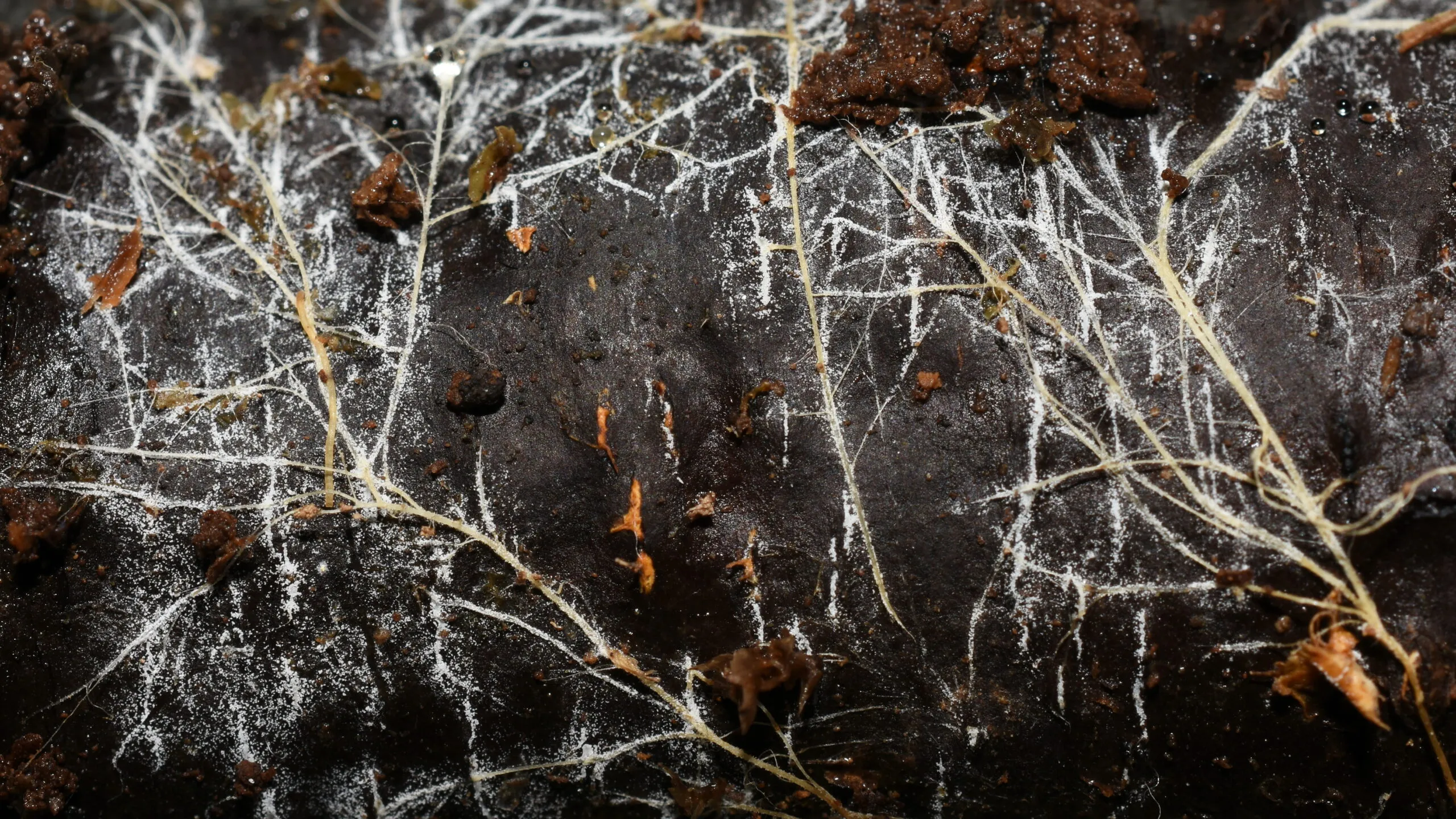
Hidden beneath the surface of the Earth lies an astonishing web of life: arbuscular mycorrhizal fungal networks totaling an estimated 110 quadrillion kilometers in length. If stretched end to end, these ultra-thin threads would span nearly a billion times the distance from Earth to the sun, according to a study published Thursday in Science.
These fungal communities form intimate symbiotic relationships with plant roots, supplying vital nutrients like phosphorus and nitrogen. In return, they receive carbon,roughly 1 billion tons annually, as previous research has shown. Without these networks storing that carbon underground, it would instead be released into the atmosphere, accelerating global warming.
Until now, no one had mapped these subterranean systems on a global scale. A new study led by the Society for the Protection of Underground Networks (SPUN),an organization created specifically to chart mycorrhizal fungi networks,combined literature reviews, soil samples from around the world, machine learning, and laboratory testing. This approach allowed researchers to estimate the distribution and mass of these networks and pinpoint where they are densest.
“This is the moment where we went from knowing that this system exists to really knowing where it is, how dense it is, and where it’s been,” said Toby Kiers, executive director and co-founder of SPUN and a co-author of the study.
For decades, scientists have understood that arbuscular mycorrhizal fungi form close partnerships with roughly 80 percent of the world’s plant species and appear nearly everywhere plants grow. But the full extent of these networks, their densest regions,such as grasslands,and areas where they are being lost, particularly in agricultural zones, remained unclear until this research.
“[The study] helps us come to grips with how important these below-ground organisms can be to everything that we see above ground,” said James Bever, a professor of ecology and evolutionary biology at the University of Kansas who studies plant-microbe interactions but was not involved in the new research.
(Source: Ars Technica)