Ice Age Dice Reveal Early Native American Probability Skills
▼ Summary
– Native Americans have used dice in games of chance for over 12,000 years, predating Old World dice by millennia.
– A new study challenges the traditional historical view that dice and probability were Old World innovations.
– These ancient dice were typically two-sided “binary lots,” distinct from modern six-sided dice.
– While archaeologists had traced dice use back 2,000 years, older dice-like artifacts were often not definitively identified.
– Researchers use ethnographic analogy, comparing artifacts to historic records, to infer the purpose of ancient objects.
The history of dice and probability theory is being dramatically rewritten by archaeological discoveries in North America. A groundbreaking study reveals that indigenous peoples across the continent were crafting and using specialized gaming objects over 12,000 years ago. This sophisticated tradition of structured games of chance flourished millennia before the earliest known dice emerged in the Old World, challenging long-held historical narratives about the origins of probability.
For decades, scholars largely viewed dice as an innovation of ancient Eurasian cultures. The new research, however, demonstrates a deep and widespread gaming heritage among early Native American societies. “Historians have traditionally treated dice and probability as Old World innovations,” explained lead author Robert Madden, a graduate student at Colorado State University. “The archaeological record shows that ancient Native American groups were deliberately making objects designed to produce random outcomes for structured games thousands of years earlier than previously recognized.”
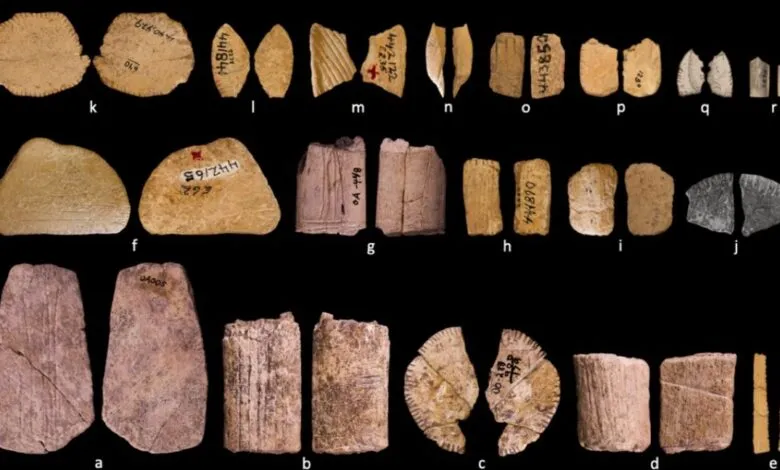
These ancient gaming pieces were typically binary lots, simple two-sided objects distinct from modern six-sided dice. Crafted from materials like fruit pits, animal bones, or carved stones, they were designed to land on one of two sides when thrown. Madden’s analysis found evidence of these objects in virtually every tribal culture across North America, indicating a shared and deeply rooted tradition. While archaeologists had confidently traced their use back 2,000 years, older artifacts were often met with skepticism about their true purpose.
Identifying the function of ancient objects is a persistent challenge in the field. Researchers frequently depend on ethnographic analogy, comparing unearthed artifacts to similar items used by descendant cultures in historical records. “We find something and ask, what is this, how was it used?” Madden noted. “If we have a historic record of people using things like this in the same area, we can infer the older object was used for the same purpose.” This methodological link connects ancient artifacts to well-documented dice games played at gatherings for trade, ceremony, and social bonding into the 19th and 20th centuries.
Madden’s interest began with the famed Maya ballgames before expanding to encompass the broader spectrum of Native American gaming. His work systematically compiles data on these artifacts, pushing the confirmed timeline of dice use back by an astonishing 10,000 years. This discovery does more than reset a chronological record, it fundamentally alters our understanding of early human cognition. The deliberate creation of tools for generating random outcomes suggests these communities were actively engaging with and manipulating concepts of chance and probability in a formalized way.
The presence of these gaming objects across such a vast geographic and temporal scale points to their significant cultural role. They were far more than simple pastimes, likely integral to social rituals, decision-making processes, and community interaction. This research firmly establishes that the intellectual exploration of randomness and risk is not a modern or purely Eastern Hemisphere invention, but a fundamental human endeavor with ancient roots in the Americas.
(Source: Ars Technica)