How Your Body Reveals Private Information

▼ Summary
– Smart devices now track a wide range of bodily functions, creating a “quantified self” through what is called the “Internet of Bodies.”
– This data collection enables helpful health monitoring and medical innovations, like smart pacemakers and digital pills, that can improve patient outcomes.
– The personal data gathered, such as from fitness trackers or period apps, can also reveal sensitive activities like drug use or pregnancy status.
– In states with abortion restrictions, reproductive health data from apps can be obtained by law enforcement via warrant as potential evidence.
– Companies like BetterHelp have monetized sensitive user data, such as mental health information, by selling it to advertisers, leading to regulatory fines.
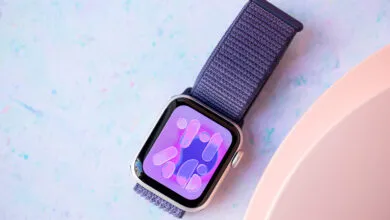
The ancient pursuit of self-knowledge has entered a radically new phase. Millions now wear devices that continuously monitor heart rhythms, sleep cycles, exercise, and even emotional states, creating a detailed digital portrait of the physical self. This phenomenon, often called the Internet of Bodies, transforms personal wellness into streams of quantifiable data. While these insights can empower individuals, they also generate a profound new category of information under constant digital surveillance.
This monitoring is not inherently negative. The healthcare field leverages it for significant benefit. Smart medical devices, like pacemakers that transmit heartbeat data or bandages that detect infection, provide real-time alerts that can save lives. Digital pills confirm medication adherence, offering doctors crucial insights. These tools create a vital link between bodily functions and electronic health records, enabling proactive care and remote monitoring for vulnerable patients.
However, the very availability of this intimate data introduces serious risks. A device designed to optimize fitness can also infer sensitive activities, potentially identifying substance use or sexual encounters. Digital pills for mental health conditions could alert authorities if a patient, or someone on parole, misses a dose. The criminalization of abortion in many states has dramatically raised the stakes for reproductive data. Apps used by tens of millions to track periods, symptoms, and sexual activity can reveal a pregnancy through patterns like a missed cycle and logged nausea. In restrictive states, this data could become prosecutorial evidence.
Even where reproductive care remains legal, personal information faces commercial threats. The Federal Trade Commission has penalized several “femtech” companies for secretly selling user data, including details on pregnancy status and sexual health, to third-party advertisers. While some apps now offer features like local data storage or anonymous modes, they cannot defy a court order. Under U. S. law, any data that might serve as evidence in a criminal investigation, such as in an abortion case, is subject to warrants. The most effective protection is not collecting the data at all, a challenging proposition for data-driven business models.
Mental wellness platforms present another vulnerable frontier. Popular online therapy services, used by millions seeking help for depression or anxiety, have been found monetizing user confidences. One major provider settled FTC charges after selling personal health information to social media platforms for targeted advertising. This case highlights a troubling conflict: platforms built on trust can exploit the very personal data users provide in seeking help, turning private struggles into marketing commodities. The drive for a quantified self increasingly means our bodies and minds generate a valuable, and vulnerable, digital footprint.
(Source: Wired)