Smartwatch Addiction: Are Apple and Galaxy Watches to Blame?

▼ Summary
– Smartwatches are a booming industry that track a wide array of bodily functions, from steps and sleep to heart rate and blood oxygen levels, for millions of users.
– While the technology can provide valuable fitness insights and potentially detect health issues early, experts warn it can also cause anxiety and create a cycle of worry for users.
– The accuracy of smartwatch data is limited, as they are not medical-grade devices and can be affected by variables like GPS reliability and how the watch sits on the wrist.
– Users often report a love-hate relationship with their devices, appreciating the fitness tracking but finding constant notifications and health judgments overwhelming or stressful.
– For some individuals, the data from these devices provides a useful personal baseline to monitor trends and positively influence lifestyle habits, such as improving sleep quality.
The growing prevalence of smartwatches from brands like Apple, Samsung, and Garmin has transformed how millions monitor their daily health, yet it also raises questions about potential over-reliance and data anxiety. These devices, now a staple on wrists during runs, workdays, and even sleep, track everything from heart rate and sleep patterns to blood oxygen and stress levels. While they offer unprecedented personal insights, the constant stream of metrics can create a complex relationship between wearer and device, blending motivation with a new form of digital pressure.
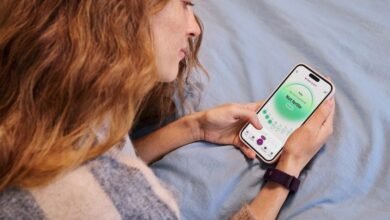
At the start line of a local 5k run, it’s rare to see a wrist without one of these sleek trackers. The ritual of ensuring GPS is locked has become as common as warming up. This scene reflects a massive industry where prices range from affordable to premium, catering to diverse lifestyles. Users often describe a love-hate dynamic: the watch is a supportive companion for fitness goals, yet its persistent notifications, about poor sleep or inactivity, can feel intrusive and overwhelming.
For some, the data becomes a source of stress rather than empowerment. Rachael Fairclough from St Helens found her Apple Watch particularly challenging during pregnancy and early motherhood. It criticized her productivity before she found a pregnancy mode, and now, with a six-month-old, it alerts her to poor sleep quality, information she feels she already knows too well. She acknowledges the device’s value for fitness insights but questions whether the sheer volume of tracked metrics is beneficial. This sentiment touches on a central dilemma: does constant monitoring enhance wellbeing or simply add another layer of daily scrutiny?
The technology itself relies on sensors, typically using green LED lights to measure blood flow and pulse. More advanced models assess stress by detecting electrical changes across the skin. According to Professor Niels Peek, a data science expert, this represents a delicate balance. On one hand, evolving tech can provide life-saving early warnings, such as detecting irregular heart rhythms that might indicate a higher stroke risk. On the other, it risks turning users into the “worried well,” overly concerned by data they may not fully understand.
Clinical psychologist Professor Lindsey Rosman’s research into cardiovascular patients using wearables supports this concern. Her study indicated that about twenty percent experienced increased anxiety, leading to more frequent healthcare visits. She observed a cyclical pattern: a user sees an alarming statistic, feels anxious, experiences a rising heart rate from that anxiety, checks the device again, and becomes more worried, a self-fulfilling prophecy of stress.
However, not all experiences are negative. For individuals like Mark Morton, a veterinarian from Cheshire, his fitness tracker has fostered positive change. The data on his sleep quality prompted him to adjust his evening routine, cutting out late drinks and optimizing his bedroom environment. These adjustments, reflected in improved sleep scores, have left him feeling more refreshed. His relationship with the device is pragmatic; it won’t make him an elite athlete, but it provides actionable feedback that has tangibly benefited his health.
Accuracy remains a significant point of discussion. Dr. Kelly Bowden-Davies, a sport and exercise science lecturer, clarifies that these devices are not medical-grade equipment. Factors like GPS reliability and how the watch sits on the wrist can affect precision. They won’t provide laboratory-exact readings for pace or calorie burn. Instead, their strength lies in establishing a personal baseline. By tracking trends over time, whether you’re running faster, sleeping more soundly, or recovering better, they offer a useful gauge of personal progress, even if individual data points aren’t perfect.
Ultimately, for many, these watches serve as a private benchmark. The focus is on self-improvement rather than absolute precision. The social features that allow competition with friends add another dimension, blending community with accountability. Crossing a finish line and stopping the timer brings a sense of personal accomplishment, data in hand. The immediate urge to analyze that performance underscores the device’s powerful role, not just as a tool, but as a constant companion in the pursuit of better health, for better or worse.
(Source: BBC)