Chamberlain Locks Out Smart Home Garage Door Integrations Again

▼ Summary
– Chamberlain Group’s new Security+ 3.0 platform intentionally blocks third-party accessory makers from integrating its garage door openers with major smart home ecosystems like Apple Home or Google Home.
– This move forces users into Chamberlain’s proprietary MyQ app, which contains ads and primarily offers integrations requiring paid subscriptions through specific partners.
– The change represents a strategic shift by Chamberlain to lock users into its closed ecosystem, underscored by its departure from the industry group behind the open Matter standard.
– Third-party manufacturers confirm their existing hardware workarounds are now ineffective due to Security+ 3.0’s fully wireless communication and new cloud-based authentication for accessories.
– A potential alternative for users is a physical workaround, such as using a third-party controller that mechanically presses the button on an official Chamberlain remote to maintain smart home integration.
The latest move from garage door opener giant Chamberlain Group has effectively severed the ability for users to integrate their systems with popular smart home platforms. The newly launched Security+ 3.0 platform completely blocks the technical workarounds that allowed third-party devices from companies like Tailwind, Meross, and Ratgdo to connect Chamberlain and LiftMaster openers to ecosystems such as Apple Home, Google Home, and Amazon Alexa. This decision forces customers deeper into Chamberlain’s own MyQ ecosystem, which is filled with advertising and primarily offers integrations requiring paid subscriptions through security service partners.
This action is the latest in a long-running conflict between the market leader and the broader smart home community. For years, aftermarket accessory makers developed solutions to bridge the gap, especially after Chamberlain’s patented Security+ 2.0 technology initially blocked traditional wired triggers. Their clever software-based workarounds, which mimicked the opener’s rolling security codes through a wired connection, are now obsolete. The new Security+ 3.0 architecture has shifted to a fully wireless communication protocol, incorporating Bluetooth Low Energy, which renders those previous methods useless.
According to company statements, this overhaul modernizes hardware design and enhances security. A spokesperson emphasized a focus on “approved integrations” like Alarm.com, Resideo, and Ring, citing a need for a secure and seamless user experience. However, community developers and competing manufacturers see a clear strategy of vendor lock-in. They point out that the new system includes a cloud-based authentication check that verifies whether a connecting remote or accessory is a genuine Chamberlain product, explicitly designed to prevent counterfeit or cloned devices from working.
For consumers, the practical effect is significant. MyQ does not work with the most popular home automation platforms, and its free app is laden with ads and upsells. While controlling the door itself in the MyQ app remains free, integrations with major ecosystems are absent. Instead, partnerships are with subscription-based security services or automakers like Honda and Volkswagen, which charge an annual fee for in-car garage door control.
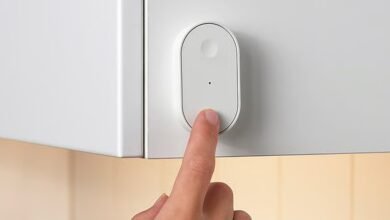
If you own or are considering a new Security+ 3.0 opener, identified by a white, round “learn” button, your options for third-party integration are now extremely limited. Manufacturers acknowledge that creating a new workaround will be challenging due to the technical barriers Chamberlain has erected. For the technically inclined, one possibility involves physically hacking a Chamberlain remote by soldering its connections to a different controller. A simpler, albeit inelegant, solution is emerging: using a universal smart controller like the Third Reality gadget. This $50 Matter-compatible device is essentially a box that holds your physical garage door remote inside and uses a small mechanical arm to press the button on command from any Matter-supported platform, potentially circumventing Chamberlain’s digital blockade entirely.
(Source: The Verge)