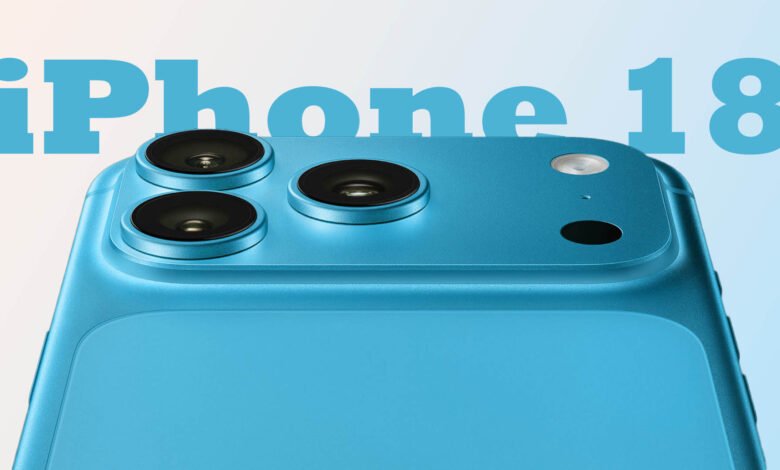
iPhone 18: Everything You Need to Know About Launch, Price & Features
▼ Summary
– Apple will reportedly launch only three iPhone 18 models in 2026: the iPhone 18 Pro, iPhone 18 Pro Max, and iPhone Fold, with the base model delayed to 2027 and possibly renamed iPhone 20.
– The iPhone 18 Pro and iPhone 18 Pro Max are expected to feature design changes including a punch-hole front camera, embedded Face ID, transparent rear glass, vapor chamber cooling, and a uniform paint job.
– New internal hardware may include Apple’s first 2nm A20 Pro chipset, a C2 5G modem, and up to 12GB of LPDDR5X RAM to enhance AI capabilities and performance.
– Camera upgrades for the iPhone 18 Pro and iPhone 18 Pro Max could include variable aperture technology and a wider F/2.0 aperture for the telephoto lens to improve low-light photography.
– The iPhone Fold is rumored to have a large battery capacity between 5,400-5,800mAh, and the iPhone 18 series may start at $1,099, maintaining Apple’s premium pricing strategy.
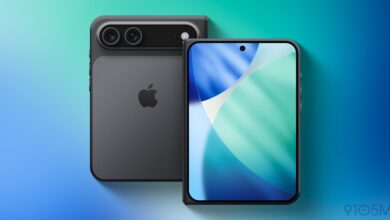
Anticipation builds for Apple’s 2026 iPhone lineup, which is shaping up to be a significant departure from recent launch patterns. Rather than releasing four models simultaneously, the tech giant may introduce just three premium devices next year: the iPhone 18 Pro, iPhone 18 Pro Max, and the groundbreaking iPhone Fold. This strategic shift means the standard iPhone 18 could be absent from the initial rollout, potentially emerging later as the iPhone 20 alongside the iPhone 18e in early 2027. For those holding out for an upgrade, the upcoming generation promises substantial innovation, while the iPhone 17 series may become a more budget-friendly alternative.
The rumored launch structure suggests Apple will focus its efforts on high-end offerings. The iPhone Air 2, successor to the underwhelming first-generation model, is reportedly delayed until 2027 due to lackluster demand. Pricing for the new flagship trio is expected to start around $1,099, maintaining Apple’s premium positioning. Interestingly, the introduction of Apple’s first foldable iPhone could make the iPhone 18 Pro appear comparatively affordable within the lineup.
Design and display enhancements are reportedly in store for the Pro models. Both the iPhone 18 Pro and Pro Max are tipped to retain their predecessors’ screen dimensions while adopting a punch-hole front camera design. This change would replace the current pill-shaped Dynamic Island, with Face ID components potentially moving beneath the display. A slightly transparent rear glass finish and vapor chamber cooling systems are also rumored, addressing heat management more effectively. The iPhone 18 Pro Max might become thicker and heavier than any previous iPhone, suggesting space for improved cooling and a larger battery.
Display technology could see advances with Apple exploring High Mobility Oxide (HMO) panels as successors to current LTPO OLED screens. Samsung is expected to begin HMO mass production in 2026, offering reduced power consumption and lower manufacturing costs. However, it remains uncertain whether these panels will feature in next year’s iPhones.
Under the hood, the iPhone 18 Pro models are expected to debut Apple’s next-generation A20 Pro chipset, manufactured on an advanced 2nm process. This would represent Apple’s first 2nm SoC, with the standard A20 variant potentially reserved for the delayed base model in 2027. The A20 Pro might feature different configurations across models, with the iPhone 18 Pro receiving a slightly scaled-back version compared to the Pro Max and Fold variants.
Connectivity could see improvements with Apple’s in-house C2 5G modem, reportedly in development and potentially supporting mmWave networks. While not manufactured on the cutting-edge 2nm process like the A-series chips, the C2 modem would still represent significant progress in Apple’s connectivity technology.
Memory configurations might see standardization across the lineup, with rumors suggesting all iPhone 18 models could ship with 12GB of RAM if supply chain issues are resolved. Apple may stick with LPDDR5X memory rather than adopting the newer LPDDR6 standard, though a shift to six-channel architecture could boost bandwidth and enhance on-device AI performance.
Camera systems are expected to receive meaningful upgrades, with variable aperture technology potentially debuting on the iPhone 18 Pro and Pro Max. This feature would automatically adjust aperture based on lighting conditions, while the 48MP telephoto lens might receive a wider aperture for improved low-light performance. Though Apple is reportedly developing a 100MP sensor with advanced LOFIC technology, this innovation likely won’t appear until later generations.
Battery life remains a key focus, with the iPhone 18 Pro Max’s increased dimensions hinting at a larger capacity cell. The foldable model is rumored to feature a substantial battery in the 5,400-5,800mAh range, potentially setting a new standard for Apple’s power management.
Pricing for the iPhone Fold remains speculative, but the entire lineup is expected to maintain premium positioning. The starting price of $1,099 seems probable given recent pricing trends.
Apple’s traditional September launch event will likely showcase these three flagship models, with the standard iPhone 18 potentially arriving later as part of a different naming strategy. This staggered approach represents a significant shift in Apple’s product rollout, focusing initially on its most advanced and profitable devices.
(Source: WCCFTECH)