Google’s Quick Share Now Works With iPhones, Rivaling AirDrop
▼ Summary
– Google has enabled interoperability between Android Quick Share and Apple AirDrop, allowing file sharing between Pixel 10-series devices and iPhones.
– This feature is currently limited to Pixel 10 models but will expand to more Android devices in the future.
– The implementation uses AirDrop’s “Everyone for 10 minutes” mode for direct device-to-device connections without server intermediaries or data logging.
– Security measures include threat modeling, penetration testing, and the use of Rust programming to prevent memory-safety vulnerabilities.
– Google plans to collaborate with Apple to enable a “Contacts Only” sharing mode in future releases for enhanced security.
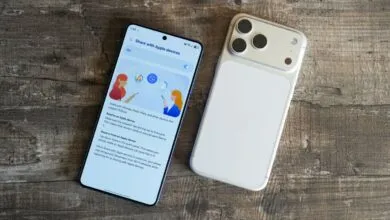
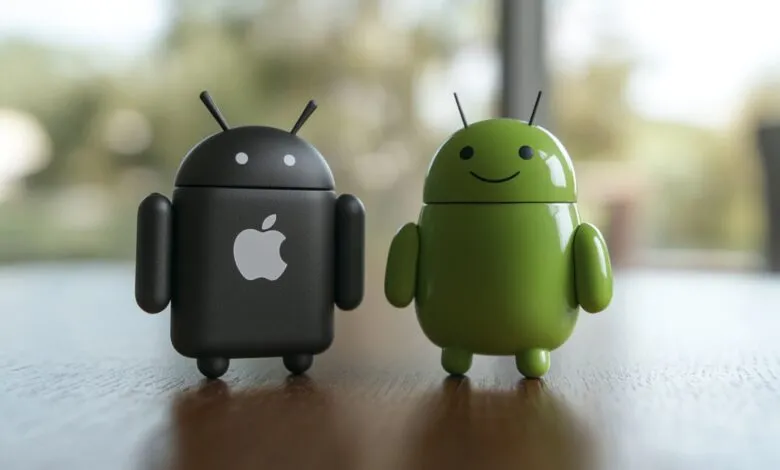
Google has taken a significant step toward unifying mobile ecosystems by enabling its Quick Share feature to work with Apple iPhones, creating a direct alternative to Apple’s proprietary AirDrop system. This development allows users of Pixel 10-series devices to wirelessly exchange photos, videos, documents, and other files with iOS users, breaking down a long-standing barrier between Android and Apple products.
Previously, Quick Share (originally known as Nearby Share) and AirDrop operated exclusively within their respective platforms. Each system used distinct discovery protocols, authentication methods, and data formats, making cross-platform sharing impossible. Now, with Google’s latest interoperability update, Pixel 10 owners can securely send and receive files directly from iPhones, with plans to extend the capability to more Android models soon.
In an official statement, Google emphasized its commitment to seamless cross-platform communication. “We’ve made Quick Share interoperable with AirDrop, allowing for two-way file sharing between Android and iOS devices, starting with the Pixel 10 Family,” the company explained. “This new feature makes it possible to quickly share your photos, videos, and files with people you choose to communicate with, without worrying about the kind of phone they use.”
Security has been a foundational priority throughout the development process. Google implemented rigorous safeguards, including threat modeling, internal security and privacy reviews, and penetration testing. An independent audit conducted by cybersecurity firm NetSPI confirmed the system’s resilience, finding no evidence of data leakage risks. Additionally, Google highlighted the use of the Rust programming language in parsing wireless data packets, a design choice that inherently prevents common memory-safety vulnerabilities.
The current implementation relies on AirDrop’s “Everyone for 10 minutes” mode, which establishes a direct, device-to-device connection without routing data through servers or creating logs. Users must manually verify that the device displayed on their screen belongs to the intended recipient, an important step to avoid accidentally sharing sensitive content with nearby strangers.
Looking ahead, Google aims to collaborate with Apple to introduce a “Contacts Only” sharing mode in future releases, which would further streamline and secure the cross-platform experience. While Apple has not yet publicly commented on these interoperability efforts, the move signals a notable shift toward greater connectivity between competing mobile operating systems.
(Source: Bleeping Computer)